Your destination guide 景德镇
Jingdezhen
A living porcelain city of kilns, studios, museums and working artists
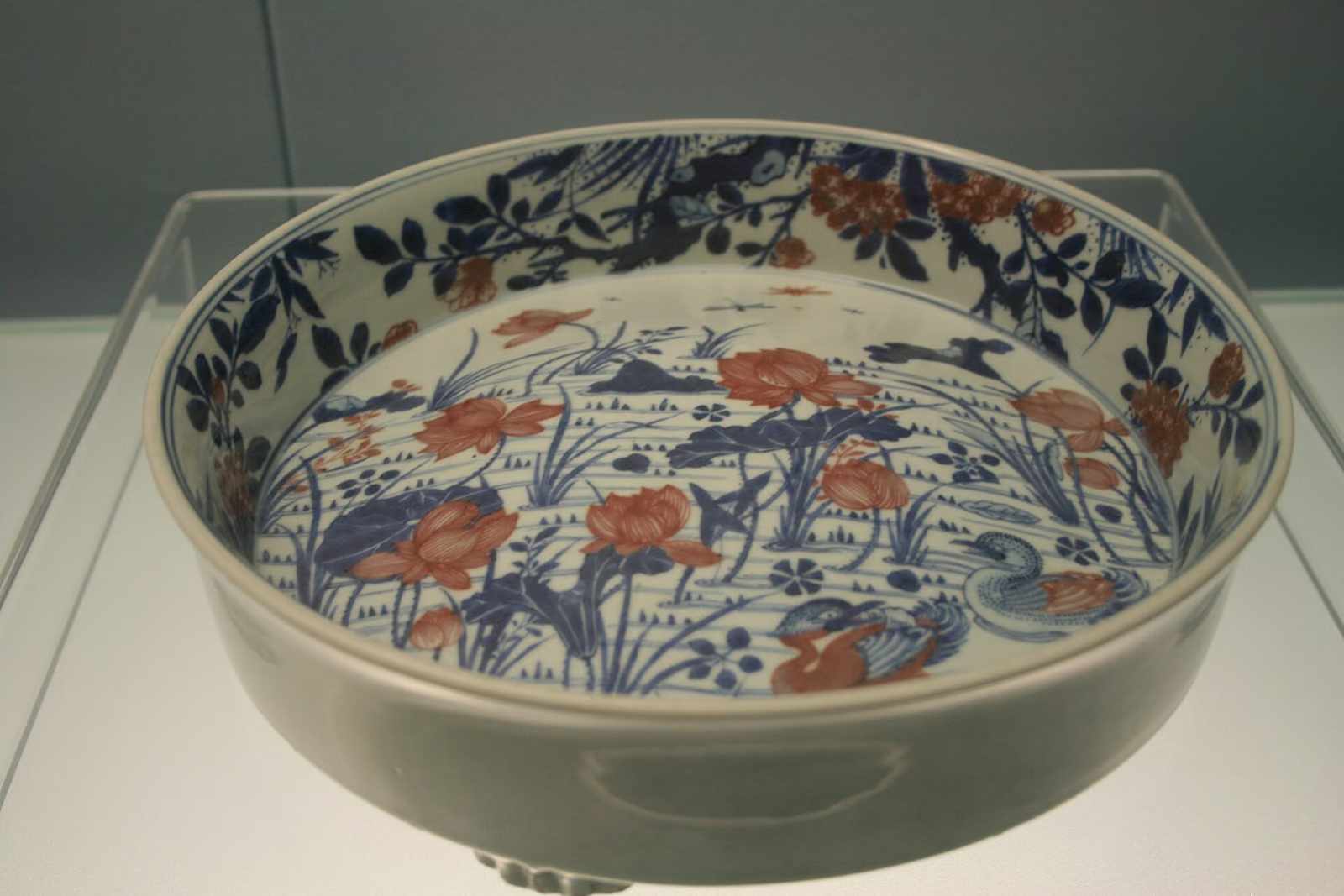
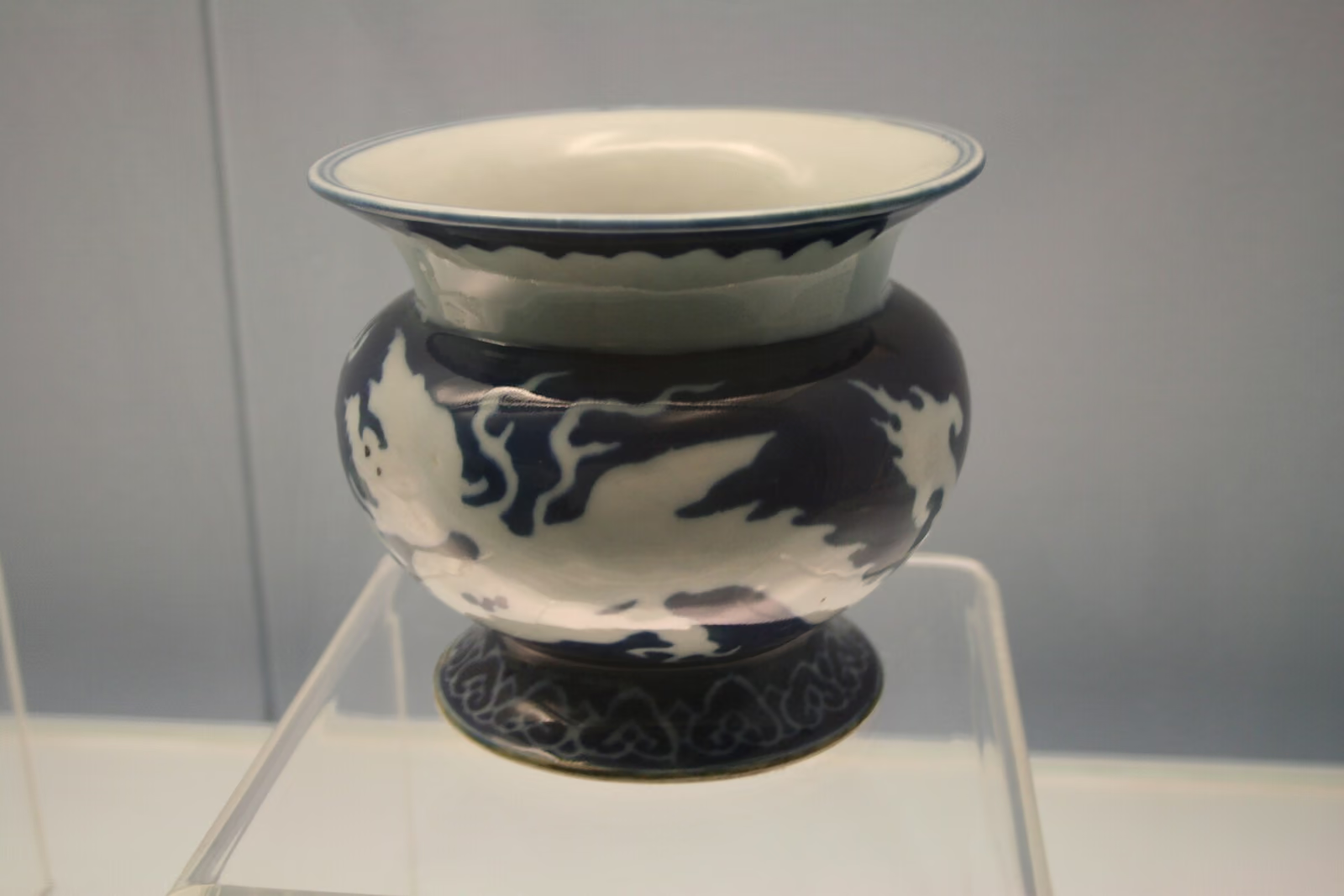
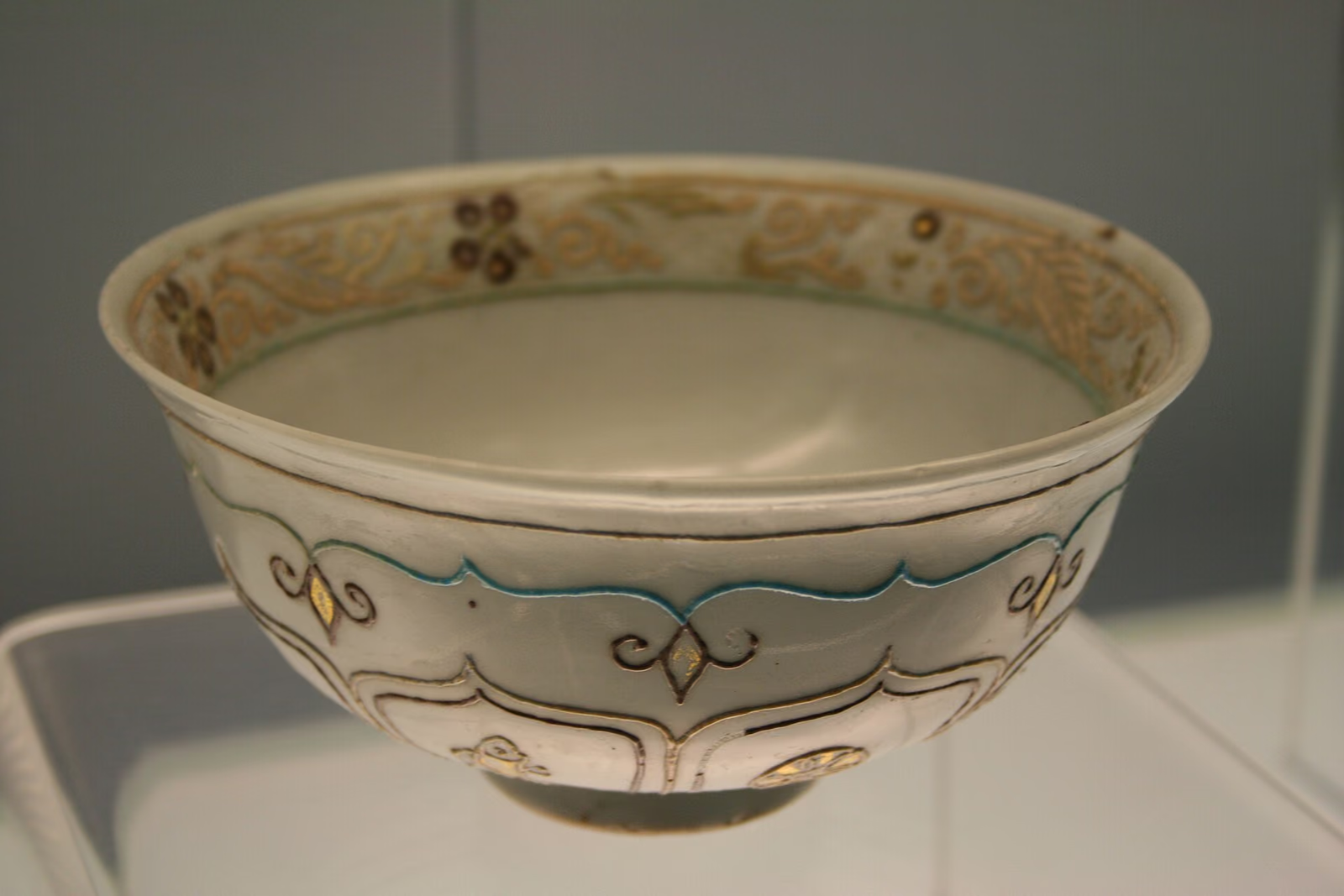
Jingdezhen is not a museum town; porcelain is still designed, thrown, painted, fired and sold across the city. Its best high-end trip combines strong architecture and museums with private studio visits or a serious workshop rather than treating ceramics as souvenir shopping.
Getting there
Jingdezhen North is the high-speed rail station and Jingdezhen Luojia Airport (JDZ) handles a modest domestic network. The ceramic sites are spread between the centre, Taoxichuan, Sanbao, sculpture-factory studios and the countryside, so a driver is useful for a full studio day.
When to go
March to May and October to November. Summer is hot and humid; the October ceramic fair brings energy and crowds, while many independent studios and markets keep their own weekly schedules.
How long: 3–5 days
Give it 3 days for the headline sights, or up to 5 to see it properly and eat your way around.
Three days cover the Imperial Kiln, Taoxichuan and one studio district. Five allow Yaoli or Fuliang, a hands-on workshop and enough time to meet makers rather than moving between retail displays.
Make a few good memories
What to see in Jingdezhen
Researched largely from Chinese-language sources, so it goes beyond the usual shortlist. Dollar figures are approximate, at the rate on 2026-10-08.
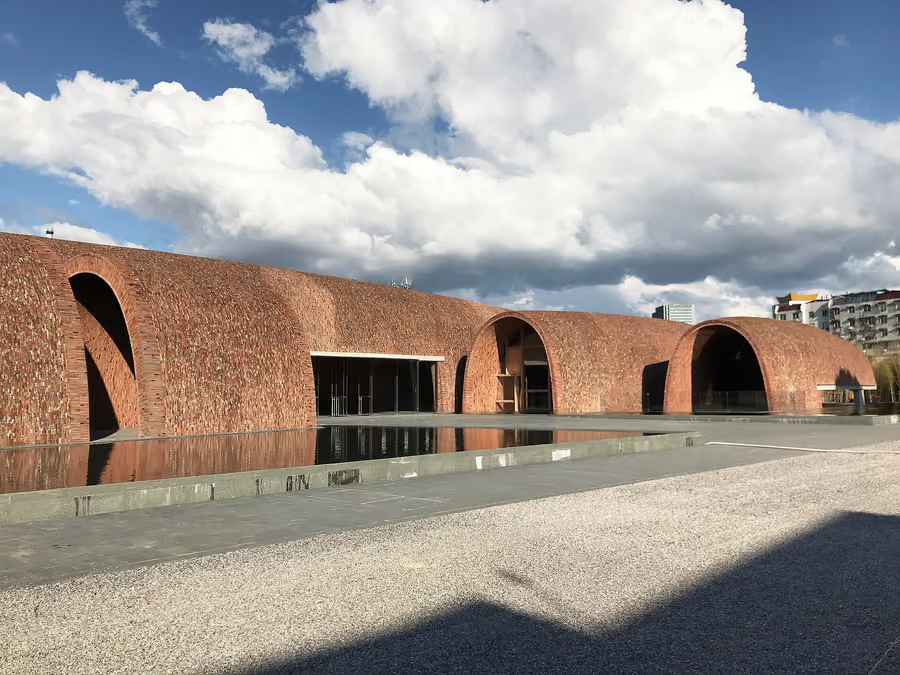
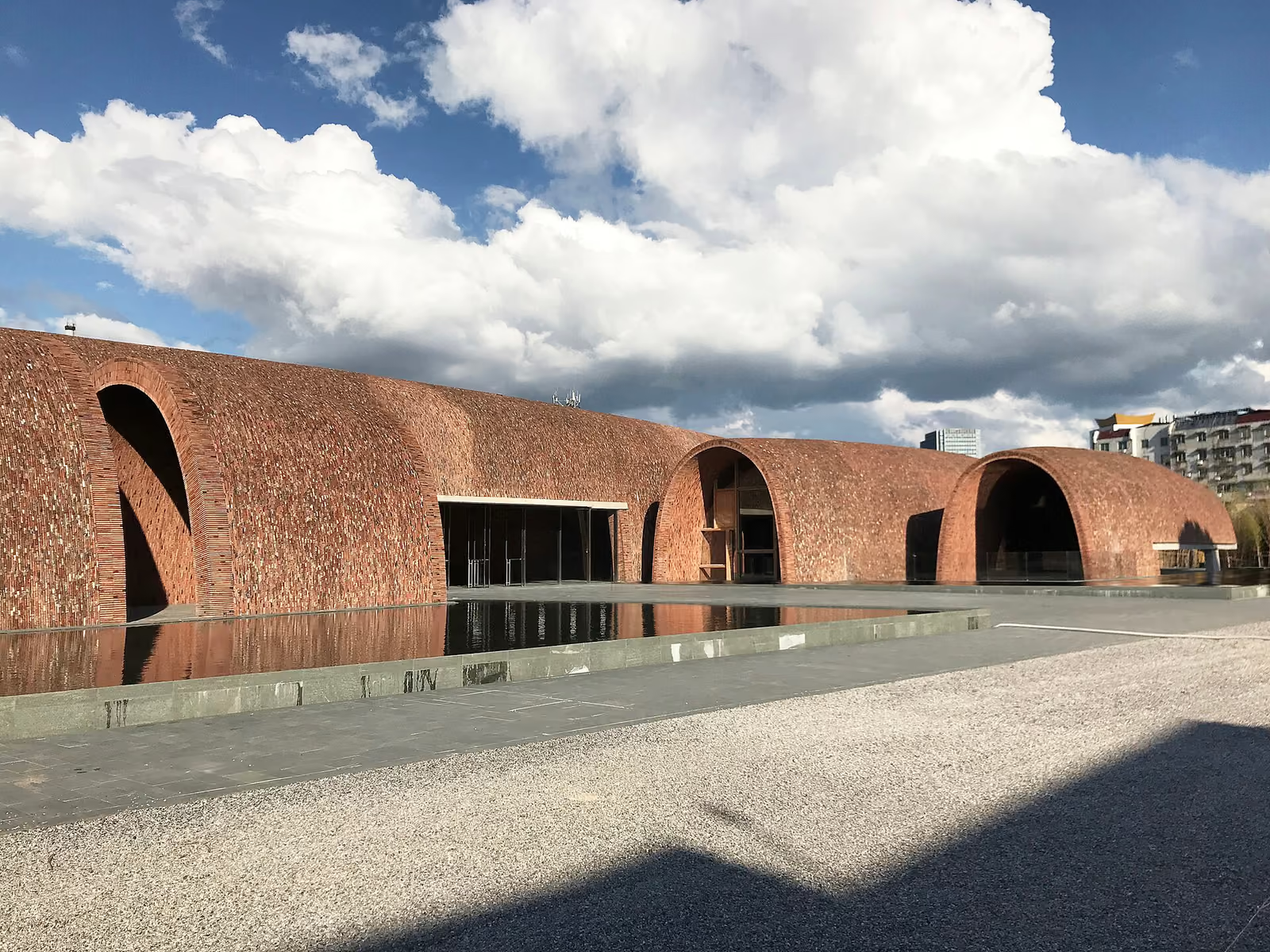
景德镇御窑博物馆
A striking brick-vault museum built over and around the imperial kiln archaeology at the centre of the old porcelain city.
Museum and site arrangements vary; verify current admission
Opening hours, booking and how to get there →
陶溪川文创街区
A former state porcelain factory transformed into museums, studios, shops, exhibitions and a major weekend makers' market.
Free district; museums and events may charge
Opening hours, booking and how to get there →
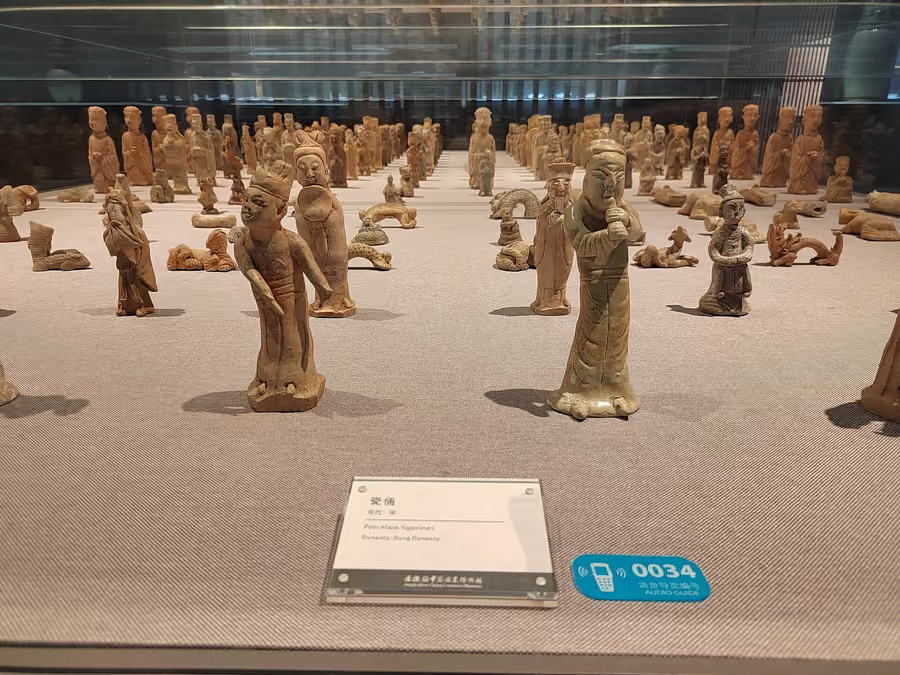
景德镇中国陶瓷博物馆
A national-level collection tracing Chinese ceramics and Jingdezhen production from early wares to contemporary work.
Free with reservation
Opening hours, booking and how to get there →
雕塑瓷厂
A working compound of studios, small galleries, shops and markets where independent ceramicists sell directly.
Free entry; purchases and workshops vary
Opening hours, booking and how to get there →
三宝国际陶艺村
A long semi-rural valley of artist studios, residencies, galleries and cafés that rewards pre-arranged visits with working makers.
Public road is free; studios and workshops vary
Opening hours, booking and how to get there →
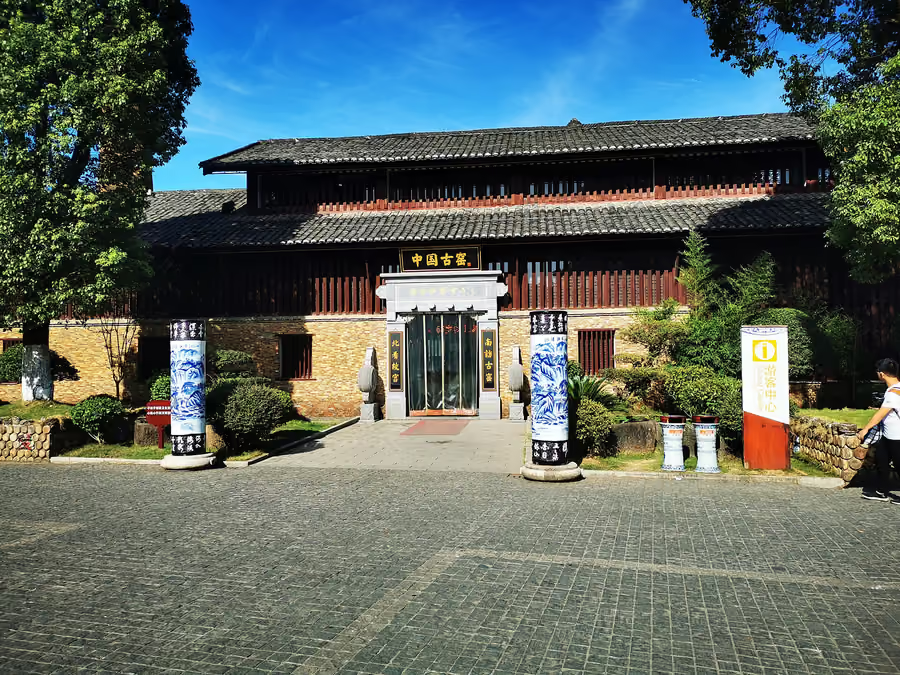
古窑民俗博览区
A demonstration complex of historic kiln types, porcelain processes and periodic firings aimed at making the production sequence visible.
Admission charged; reconfirm
Opening hours, booking and how to get there →
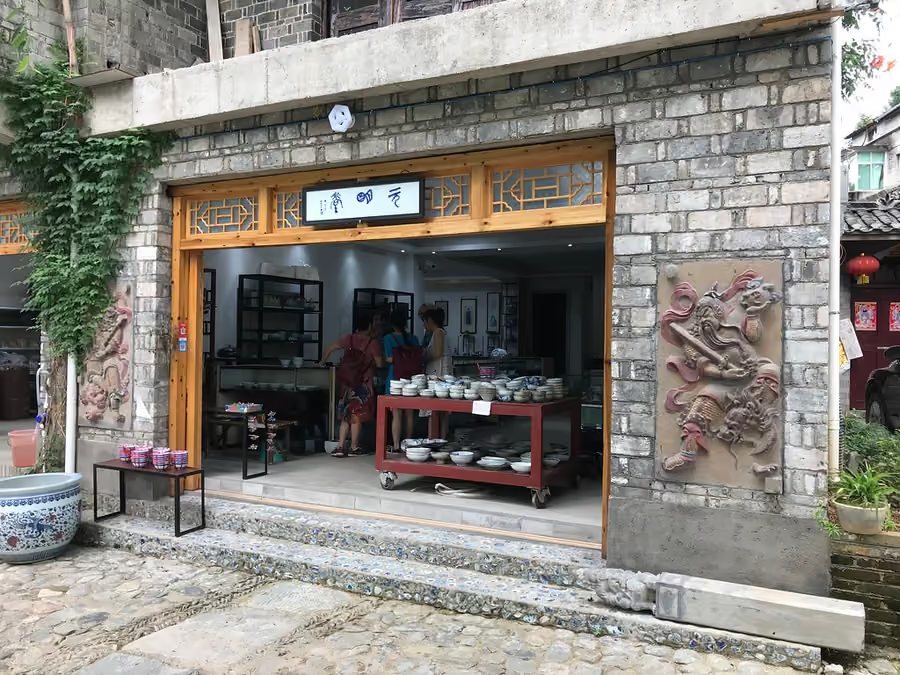
瑶里古镇
A mountain-and-river town linked historically to porcelain raw materials and kiln transport, surrounded by rural scenery east of the city.
Town and scenic components vary
Opening hours, booking and how to get there →
浮梁古县衙
A reconstructed and preserved county-government complex connecting Jingdezhen's porcelain wealth to the administration of historic Fuliang.
Admission charged; reconfirm
Opening hours, booking and how to get there →
陶阳里历史文化旅游区
The old urban kiln-and-lane district around the Imperial Kiln site, where archaeology, workshops and restored neighbourhood fabric meet.
District access and individual venues vary
Opening hours, booking and how to get there →
景德镇陶艺体验
A booked session with a working studio covering throwing, trimming or painting with enough time to understand what happens after the clay leaves your hands.
Private workshop price varies by duration and firing
Opening hours, booking and how to get there →