Your destination guide 九寨沟
Jiuzhaigou
Mineral-blue lakes, waterfalls and a new generation of mountain resorts
Jiuzhaigou is a protected high-altitude valley of terraced lakes, waterfalls and Tibetan villages. Luxury here is about solving access and recovery: a good guide, an early start, a quiet room and enough time for Huanglong or a cultural day outside the main park.
Getting there
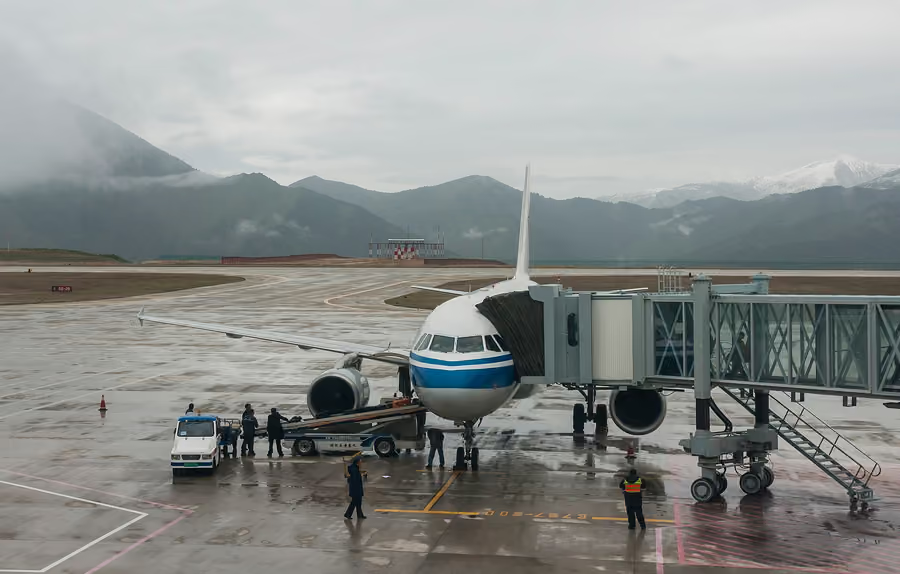
Huanglong Jiuzhai railway station now provides the most practical approach from Chengdu, followed by a reserved road transfer. Jiuzhai Huanglong Airport (JZH) is closer in kilometres but weather-sensitive and still requires a mountain drive; confirm transfers with the hotel before buying tightly timed connections.
When to go
May to June for fresh green, September to October for the most vivid colour, and winter for snow and lighter crowds. Golden Week and the peak autumn weeks are exceptionally busy; altitude and fast-changing weather apply in every season.
How long: 3–6 days
Give it 3 days for the headline sights, or up to 6 to see it properly and eat your way around.
Three nights buy one full valley day and recovery time. Five or six allow Huanglong, Zhongcha Valley and a second quiet day rather than treating the trip as a long transfer wrapped around one crowded park visit.
Make a few good memories
What to see in Jiuzhaigou
Researched largely from Chinese-language sources, so it goes beyond the usual shortlist. Dollar figures are approximate, at the rate on 2026-10-08.
九寨沟风景名胜区
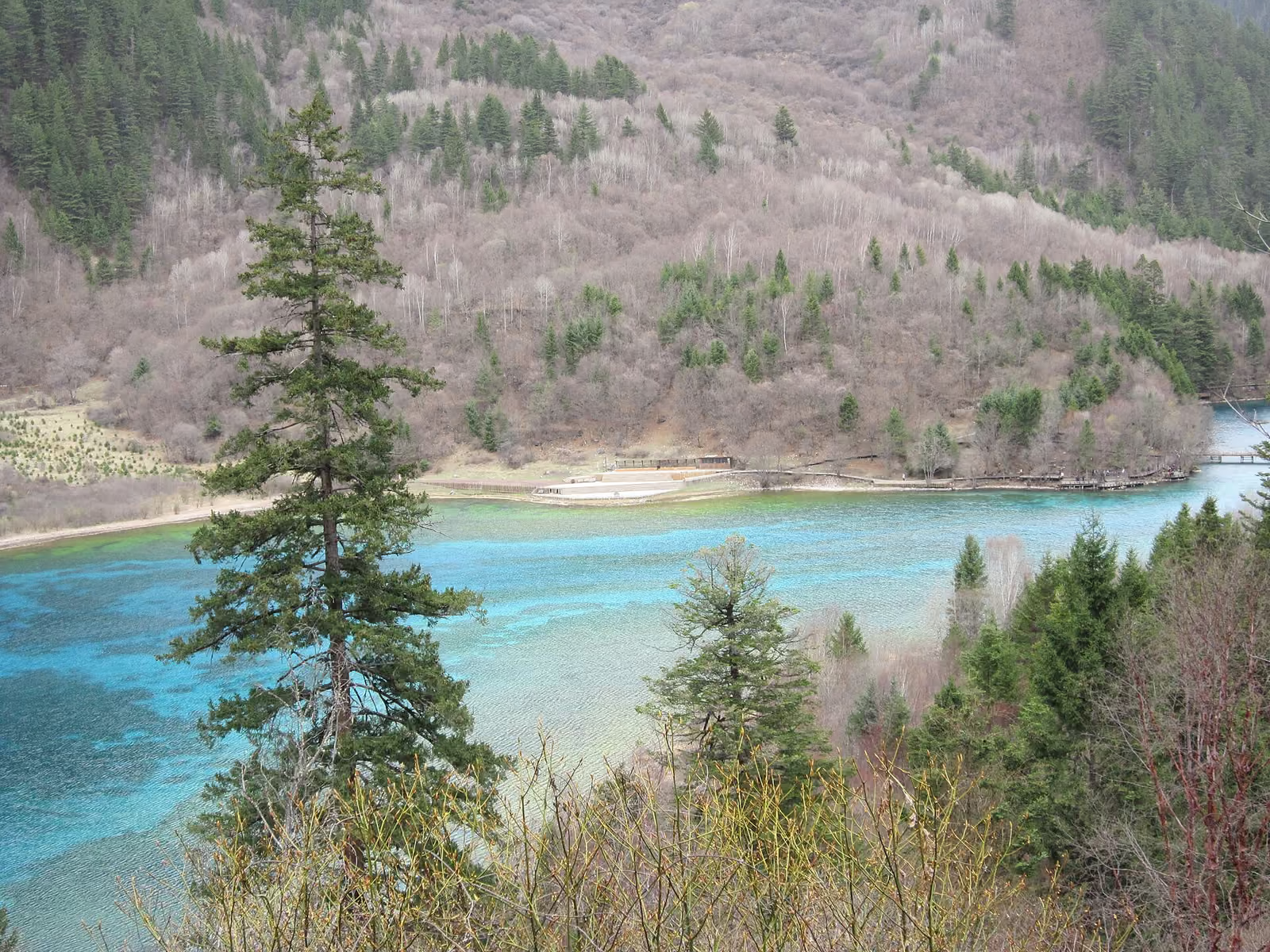
A 72,000-hectare World Heritage valley of forests, stepped lakes, waterfalls and high mountain ecosystems, explored through park buses and long boardwalk sections.
Seasonal admission plus compulsory sightseeing bus; reconfirm
Opening hours, booking and how to get there →
五花海
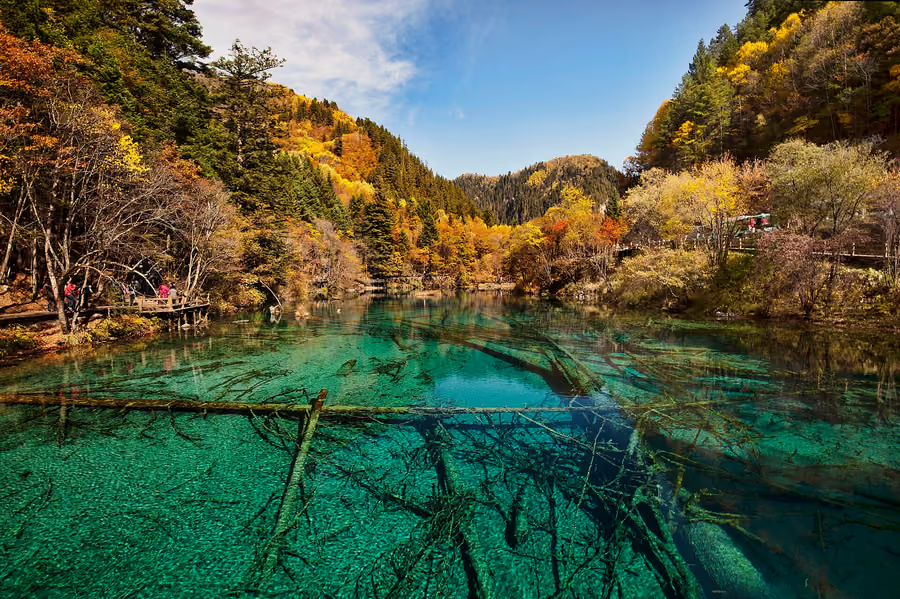
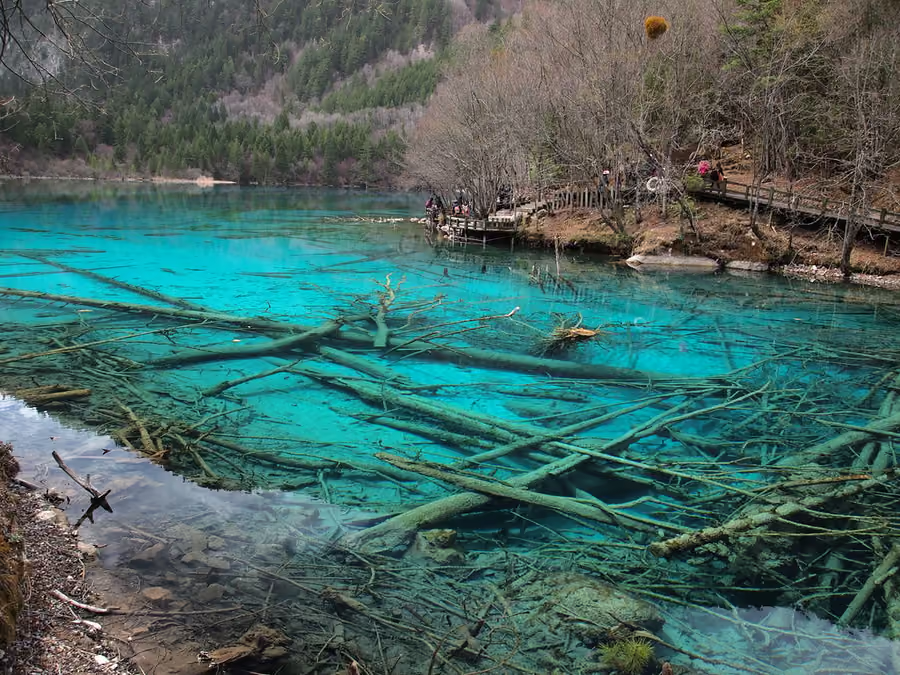
One of Jiuzhaigou's clearest mineral lakes, known for blue-green water, submerged trunks and colour that shifts with light and season.
Included with national-park admission
Opening hours, booking and how to get there →
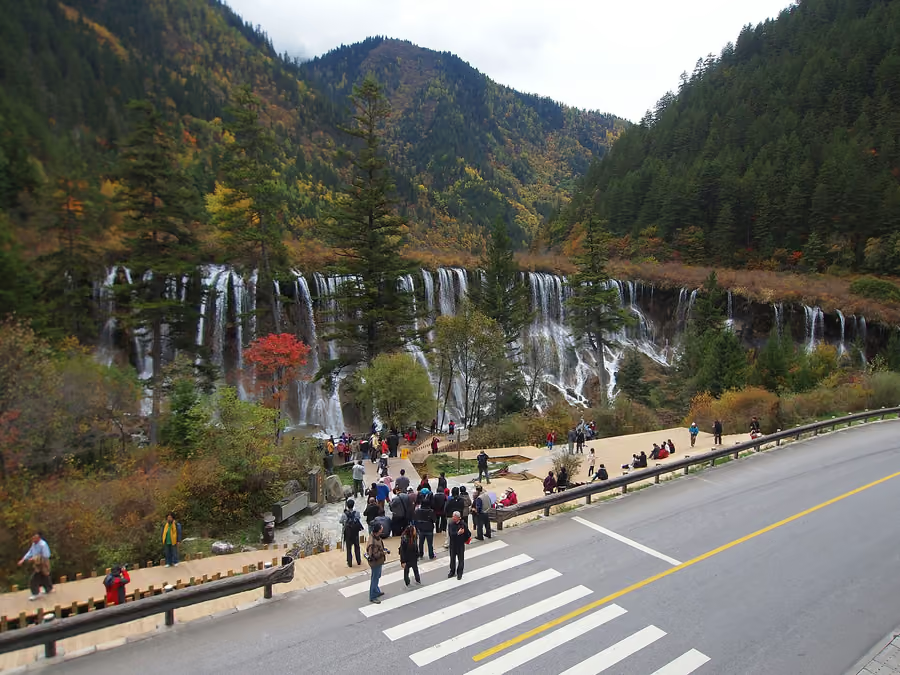
诺日朗瀑布
A broad calcified waterfall near the junction of Jiuzhaigou's main valleys, reconstructed by natural processes and conservation work after the 2017 earthquake.
Included with national-park admission
Opening hours, booking and how to get there →
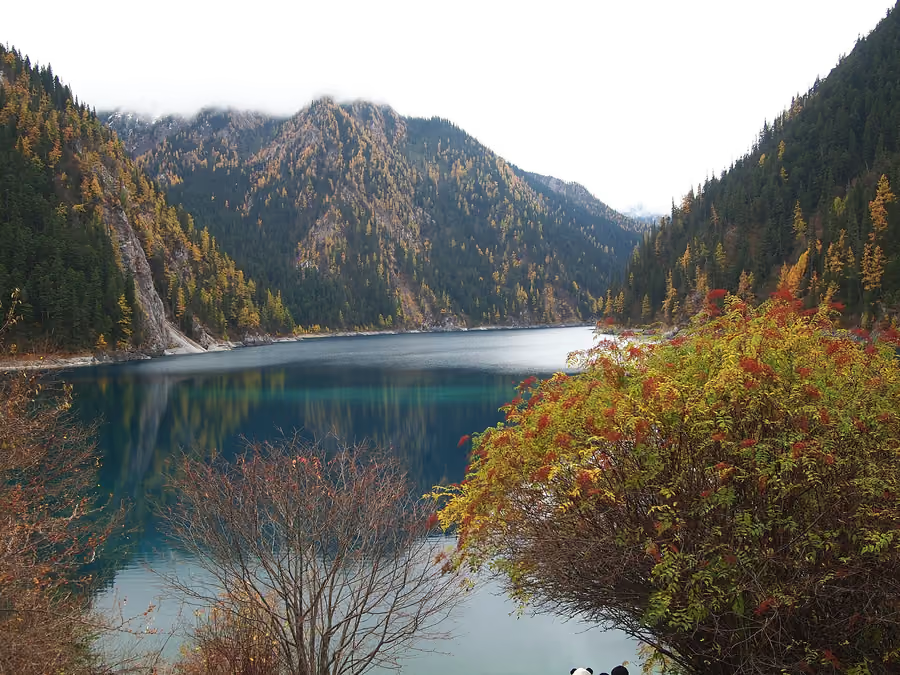
长海
The park's largest and highest easily visited lake, framed by forest and snow mountains at the end of Zechawa Valley.
Included with national-park admission
Opening hours, booking and how to get there →
五彩池
A compact, intensely coloured lake below Long Lake where mineral deposits and clear water create bands of blue and green.
Included with national-park admission
Opening hours, booking and how to get there →
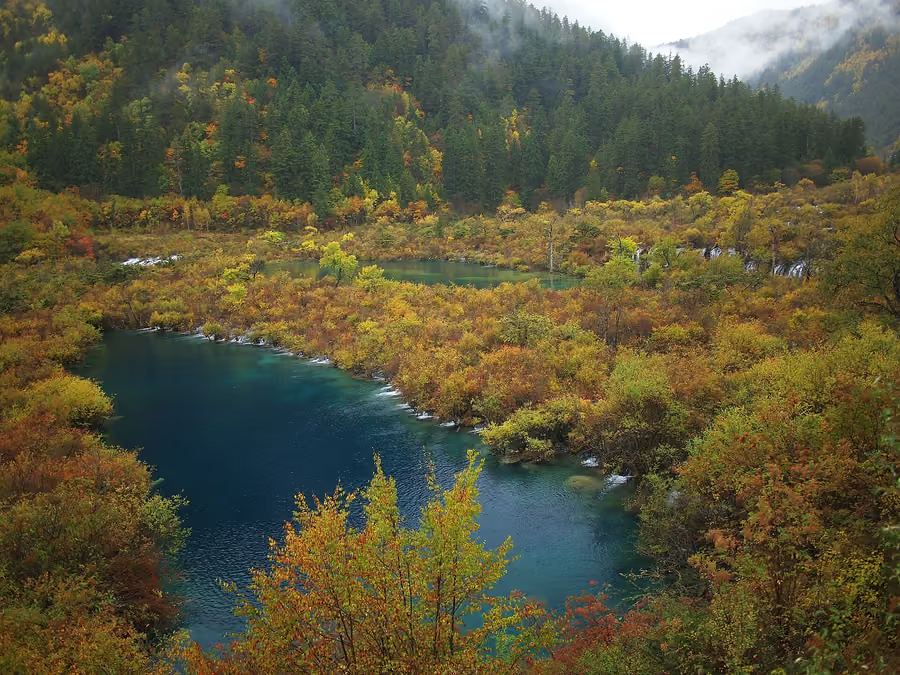
树正群海
A long sequence of terraced lakes and small waterfalls near Shuzheng village, best appreciated by walking sections of the boardwalk rather than staying on the bus.
Included with national-park admission
Opening hours, booking and how to get there →
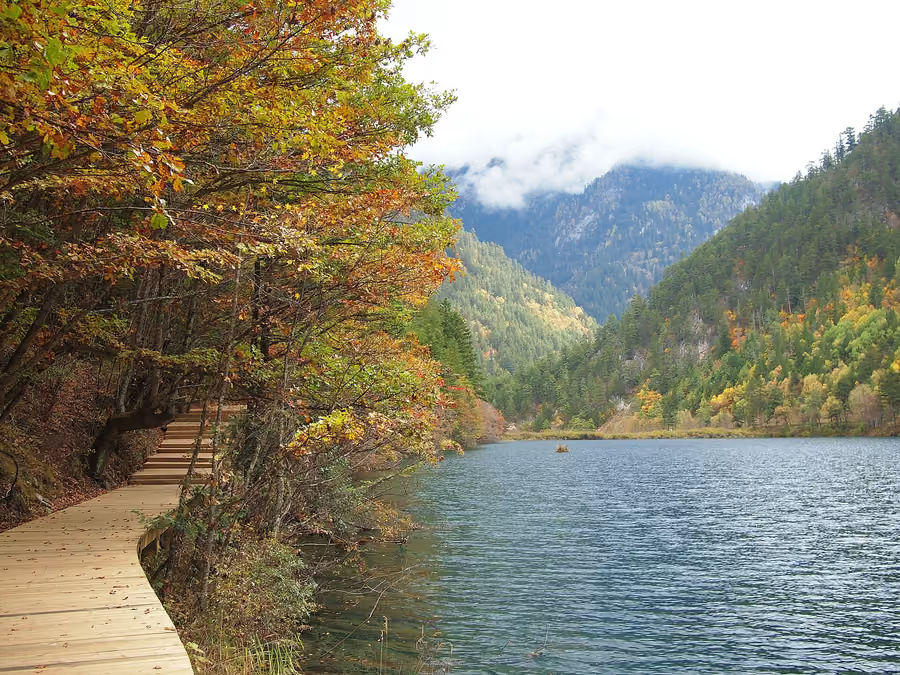
镜海
A sheltered lake whose reflections are strongest in calm early-morning conditions before wind and visitor traffic build.
Included with national-park admission
Opening hours, booking and how to get there →
黄龙风景名胜区
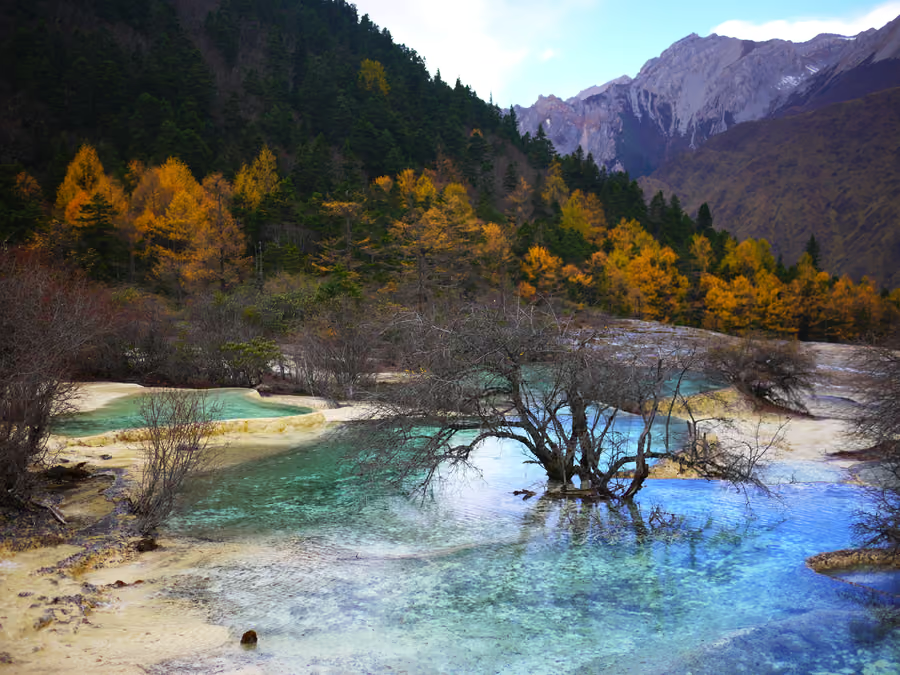
A separate high-altitude valley of calcified pools and forest, often paired with Jiuzhaigou but deserving its own weather-aware day.
Admission and cable-car options charged; reconfirm
Opening hours, booking and how to get there →
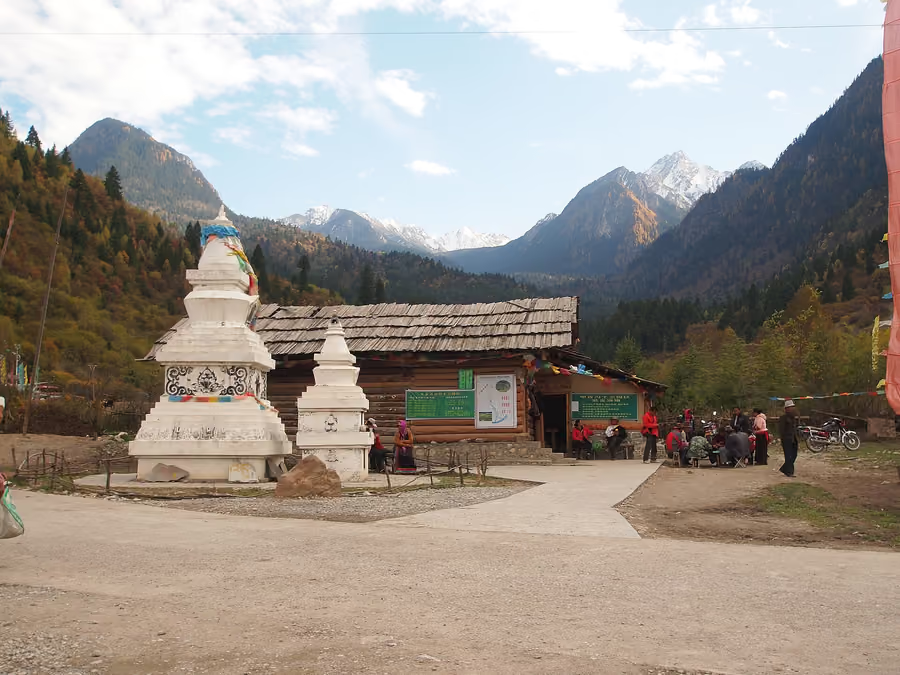
中查沟
A valley of Tibetan villages and mountain pasture beside the principal resort area, suited to guided cultural walks and quieter outdoor time.
No single public ticket; guided experiences vary
Opening hours, booking and how to get there →
扎如沟
A less-visited side valley associated with Tibetan pilgrimage routes and guided hiking, subject to conservation controls and changing access.
Access and guide fees vary
Opening hours, booking and how to get there →