Your destination guide 香格里拉
Shangri-La
Tibetan valleys, monasteries and lodge-led journeys in northwest Yunnan
Shangri-La sits above 3,200 metres on the eastern edge of the Tibetan Plateau. The reason to come is the combination of Songzanlin Monastery, highland lakes, working villages and several of China's most distinctive small lodges — but altitude must shape the first two days.
Getting there
Diqing Shangri-La Airport (DIG) is a short drive from town, with flights commonly connecting through Kunming and Chengdu. The Lijiang–Shangri-La railway has made the overland approach much easier; use a reserved car for lodges in Ringha Valley or beyond town and confirm winter road conditions before longer excursions.
When to go
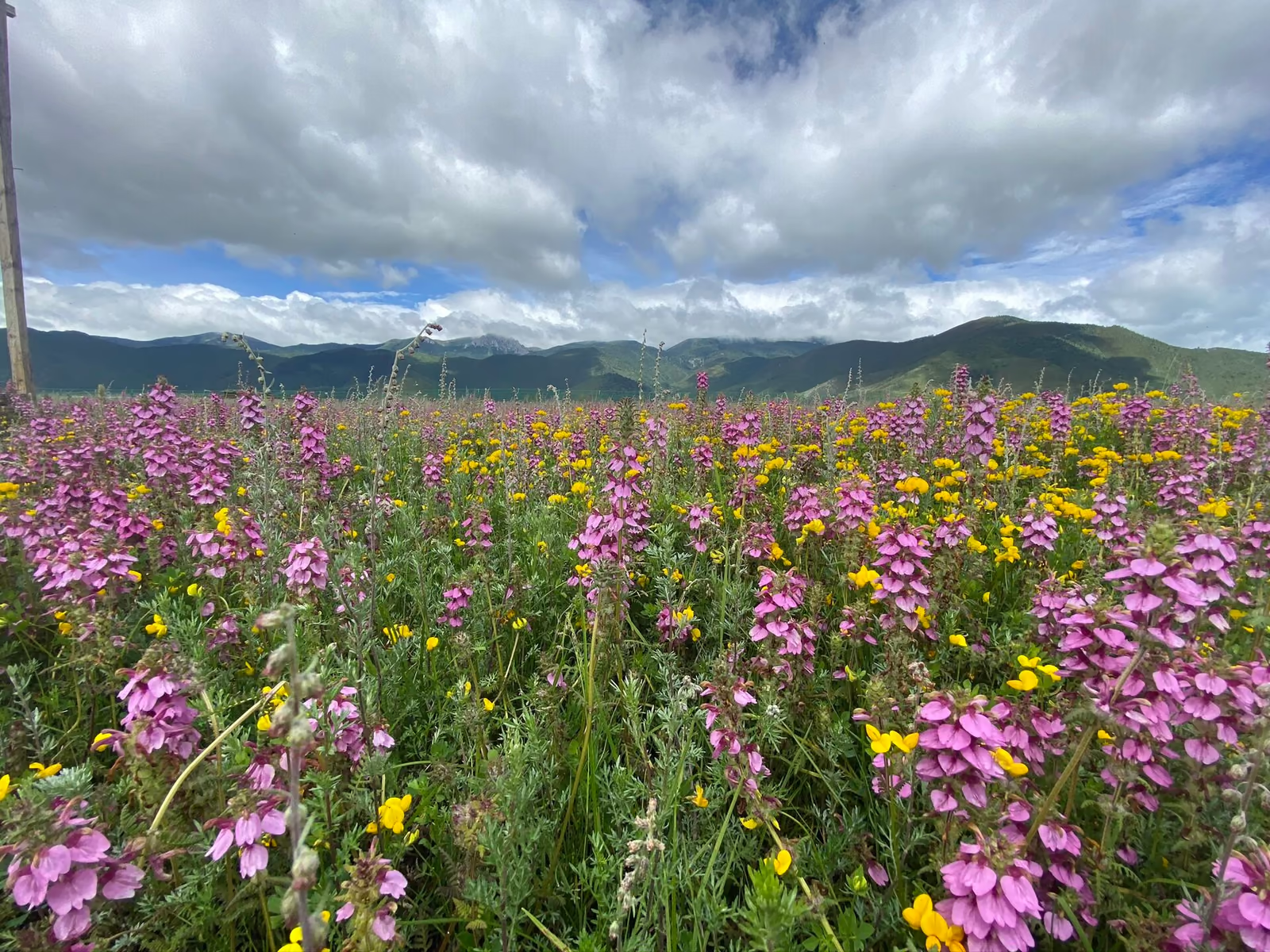
Late April to June for spring colour and September to October for clear mountain weather. July and August are greener but wetter; winter is dry, cold and quiet, with some remote excursions curtailed.
How long: 4–8 days
Give it 4 days for the headline sights, or up to 8 to see it properly and eat your way around.
Four nights allow a slow first day, Songzanlin, Dukezong and one nature day. A week supports a lodge split and excursions toward Tiger Leaping Gorge, Baishuitai or the wider Three Parallel Rivers landscape without ignoring altitude.
Make a few good memories
What to see in Shangri-La
Researched largely from Chinese-language sources, so it goes beyond the usual shortlist. Dollar figures are approximate, at the rate on 2026-10-08.
噶丹松赞林寺
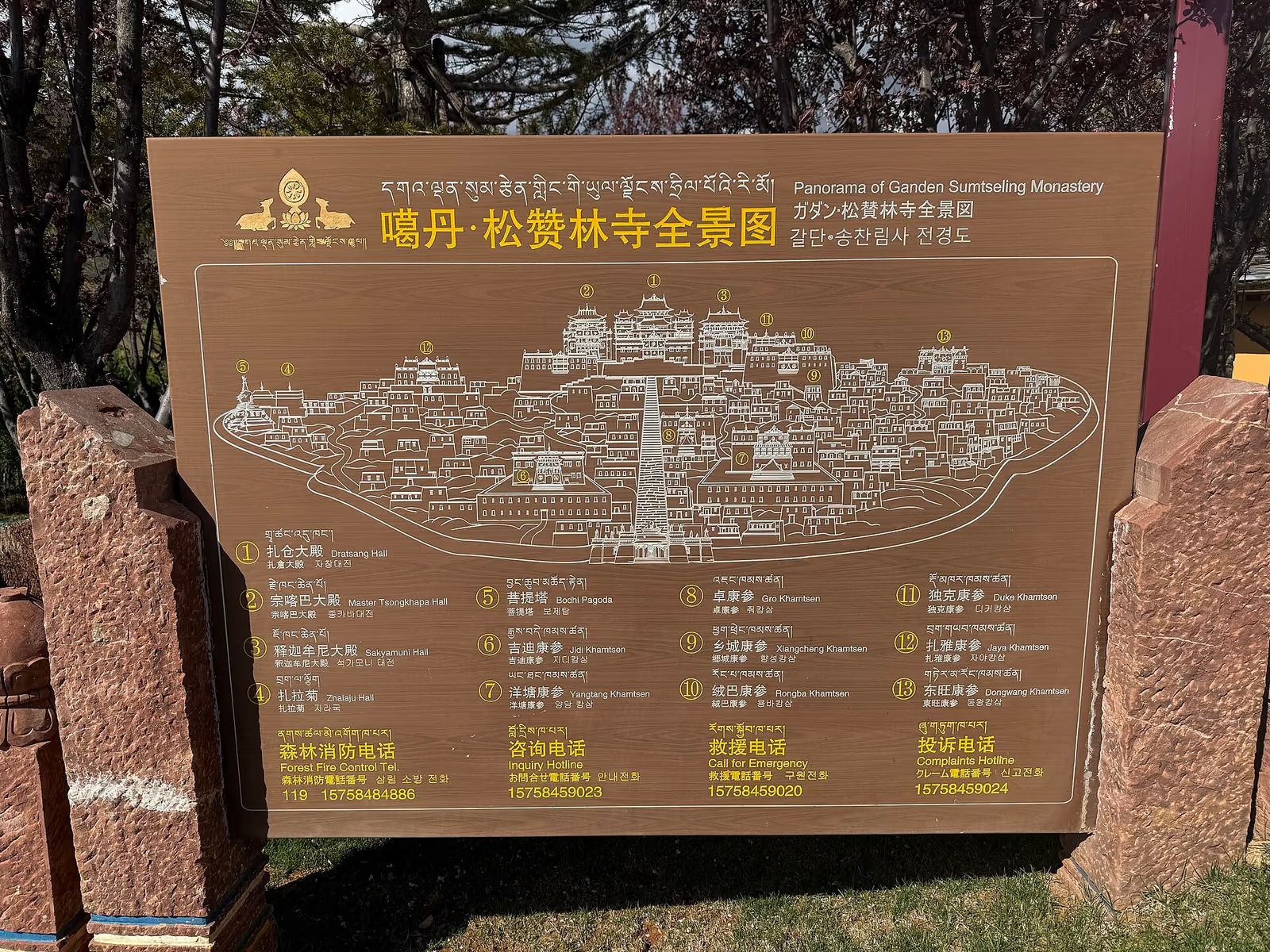
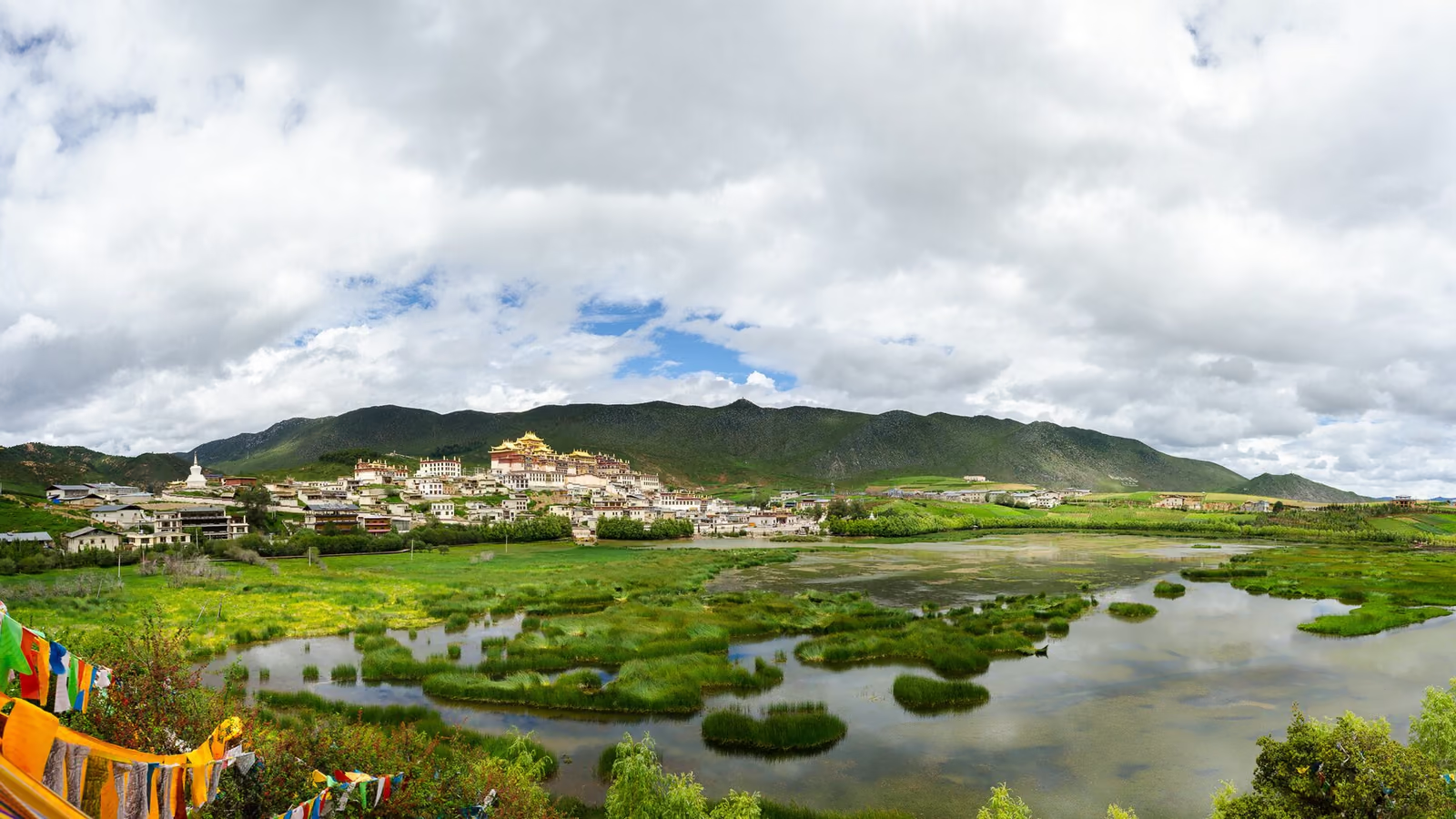
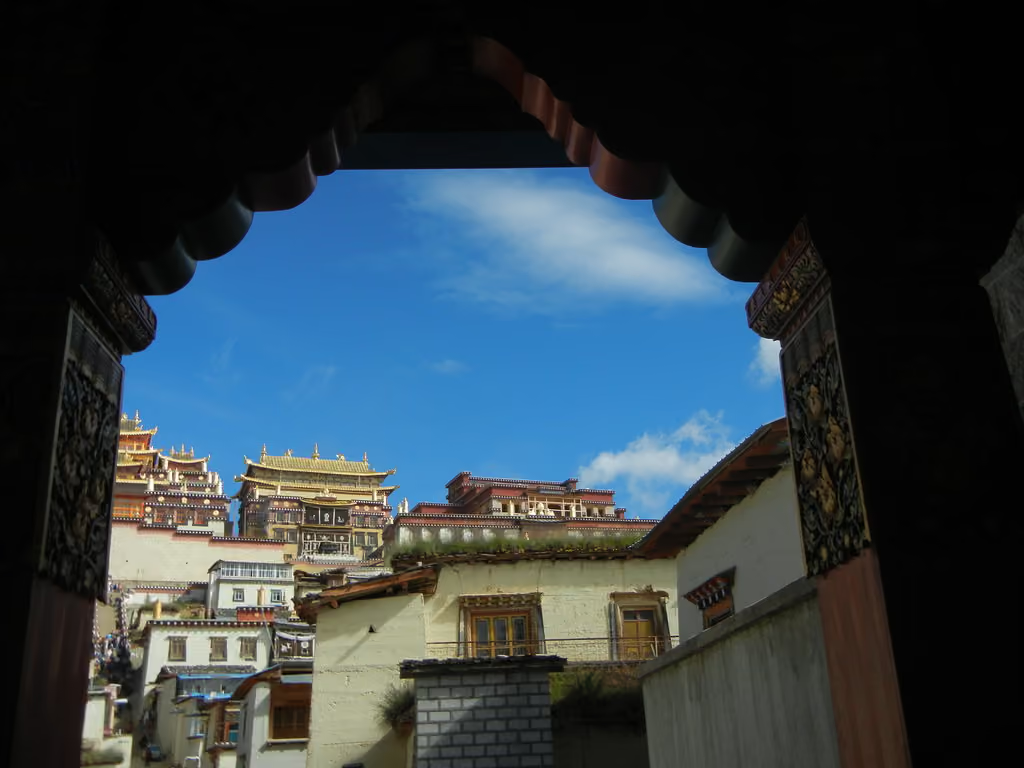
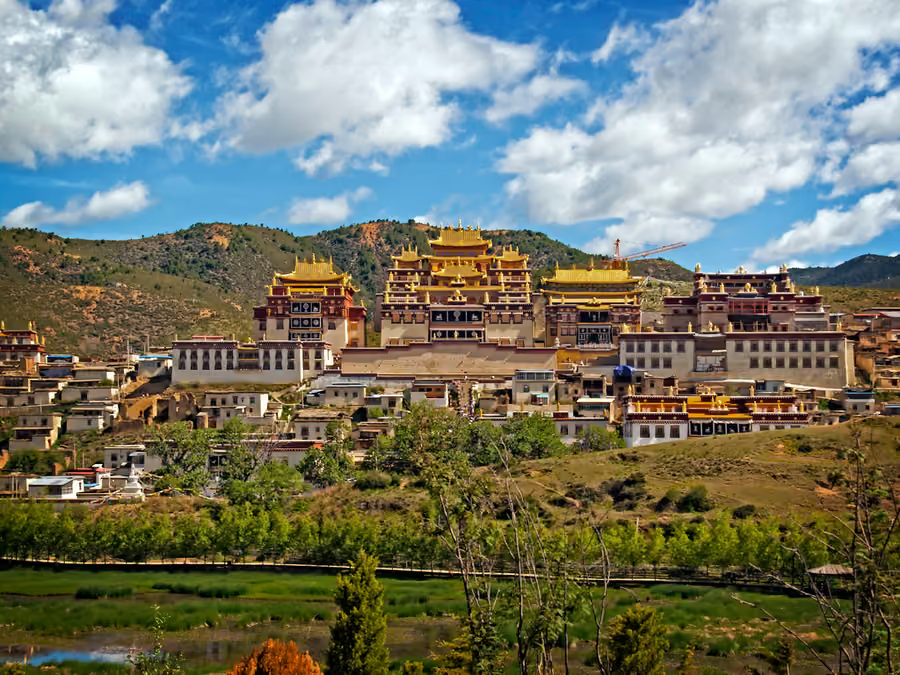
Northwest Yunnan's largest Tibetan Buddhist monastery, built across a hillside above Lamuyangcuo Lake and still active as a religious community.
Ticket and sightseeing bus charged; confirm the current total
Opening hours, booking and how to get there →
独克宗古城
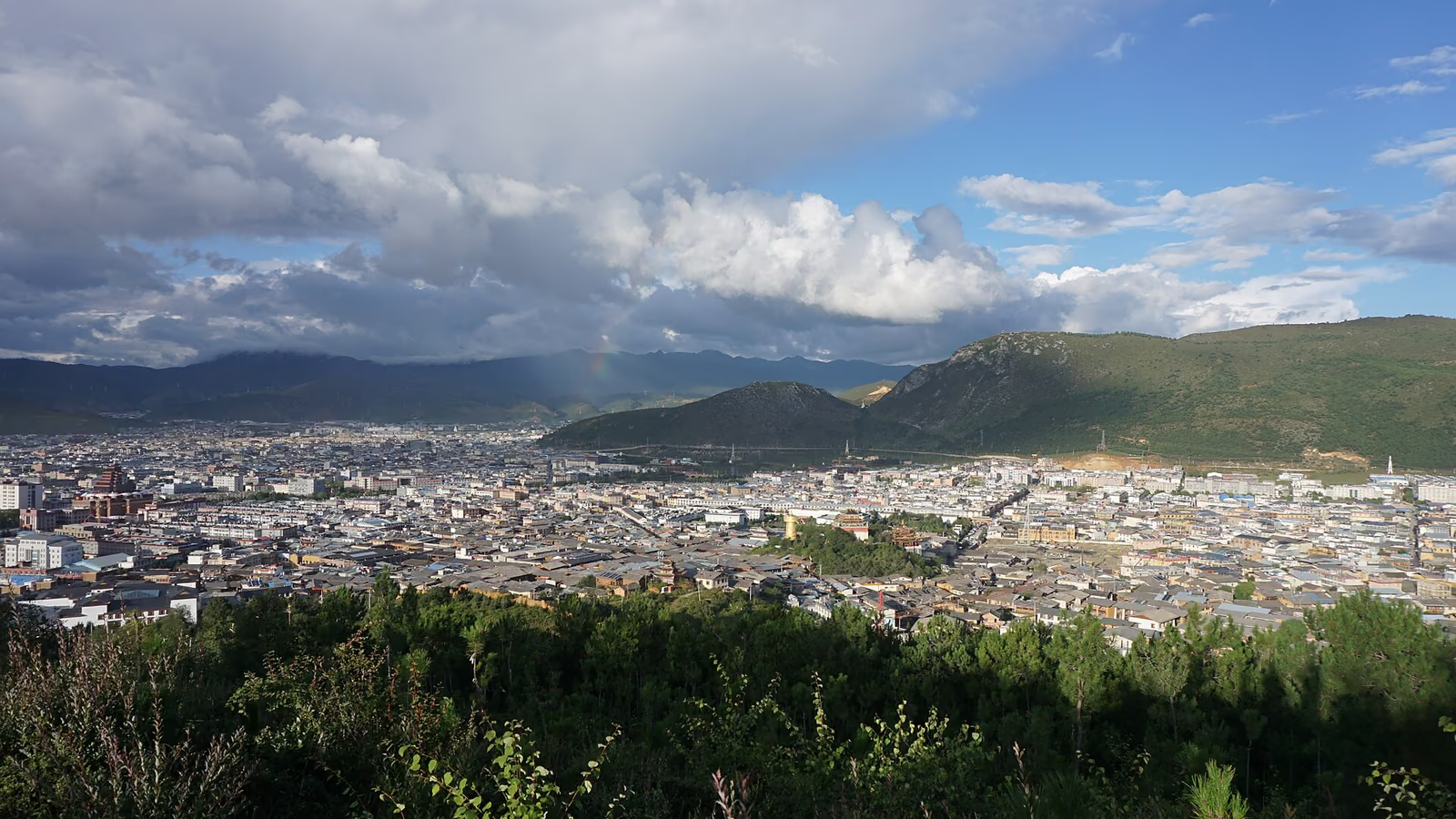
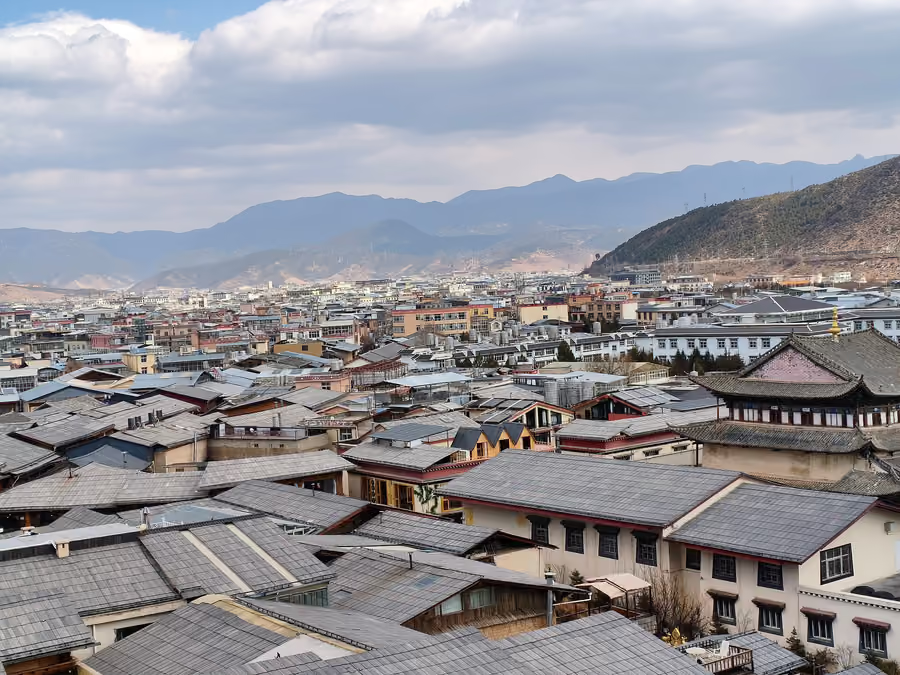
A walkable old quarter rebuilt after the 2014 fire, with Tibetan houses, small museums and the large prayer wheel above Guishan Park.
Free; individual museums and performances vary
Opening hours, booking and how to get there →
普达措国家公园
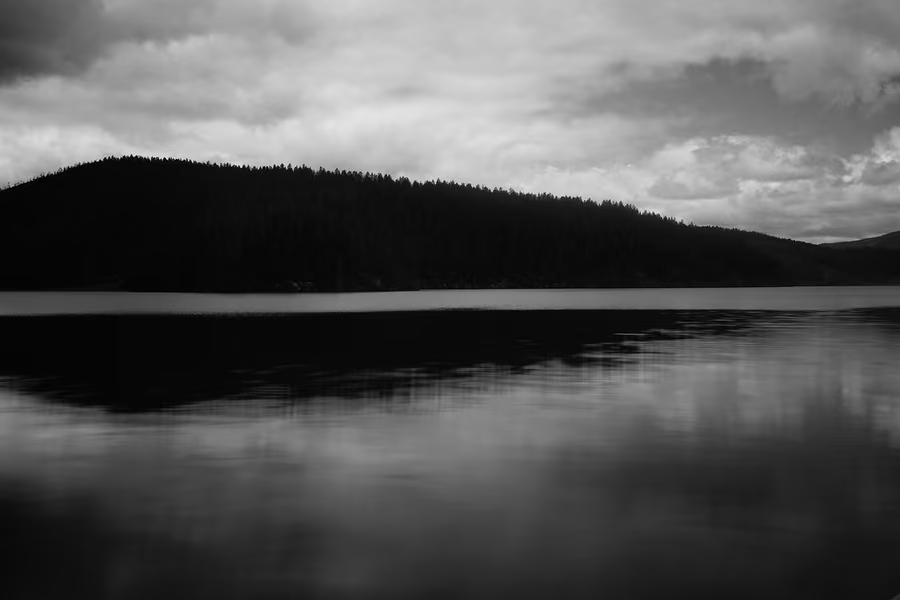
A high-altitude protected landscape of lakes, meadow and forest within the Three Parallel Rivers World Heritage region.
Admission and park shuttle charged; confirm current routes
Opening hours, booking and how to get there →
纳帕海依拉草原
A seasonal wetland and grassland basin where the waterline, grazing landscape and birdlife change markedly through the year.
Roadside views are free; local access and horse rides vary
Opening hours, booking and how to get there →
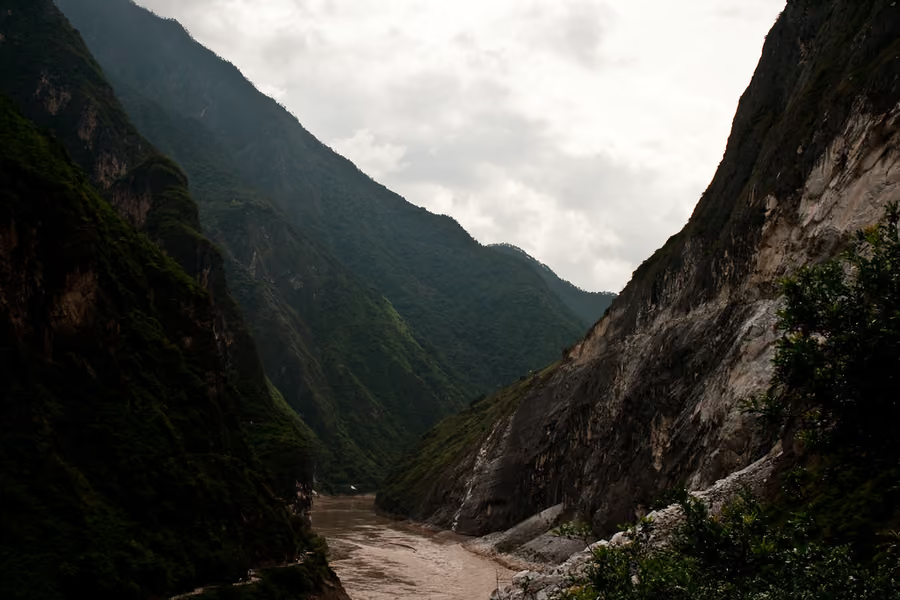
虎跳峡
A deep Jinsha River gorge between Jade Dragon and Haba Snow mountains, offering everything from a short viewpoint visit to a demanding multi-day high trail.
Scenic-area ticket charged; trail lodging separate
Opening hours, booking and how to get there →
巴拉格宗大峡谷
A remote canyon-and-village scenic area on the edge of the plateau, visited by compulsory internal transport through a long sequence of stops.
High bundled ticket with sightseeing transport; reconfirm
Opening hours, booking and how to get there →
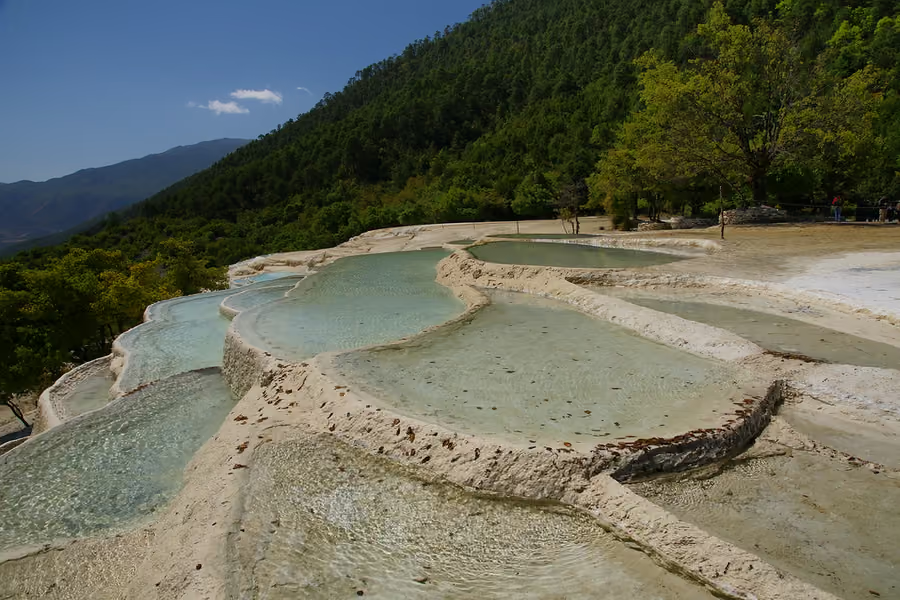
白水台
White mineral terraces above a Naxi village, created by calcium-rich spring water and culturally important to the local Dongba tradition.
Local admission charged; reconfirm
Opening hours, booking and how to get there →
仁安山谷
A quiet highland valley of Tibetan farmhouses, fields and small temples that rewards a lodge-based walk more than a formal sightseeing circuit.
No general admission; private experiences vary
Opening hours, booking and how to get there →
石卡雪山
A cable-car mountain excursion rising above the grasslands, with wide plateau views when weather and operations cooperate.
Cable-car package charged; verify current operation
Opening hours, booking and how to get there →
阿布吉措
A high alpine lake reached on foot through forest and pasture, one of the area's most rewarding guided hikes for properly acclimatised travellers.
Guide, transport and local access fees vary
Opening hours, booking and how to get there →