Discover Chengdu
Chengdu Research Base of Giant Panda Breeding
成都大熊猫繁育研究基地
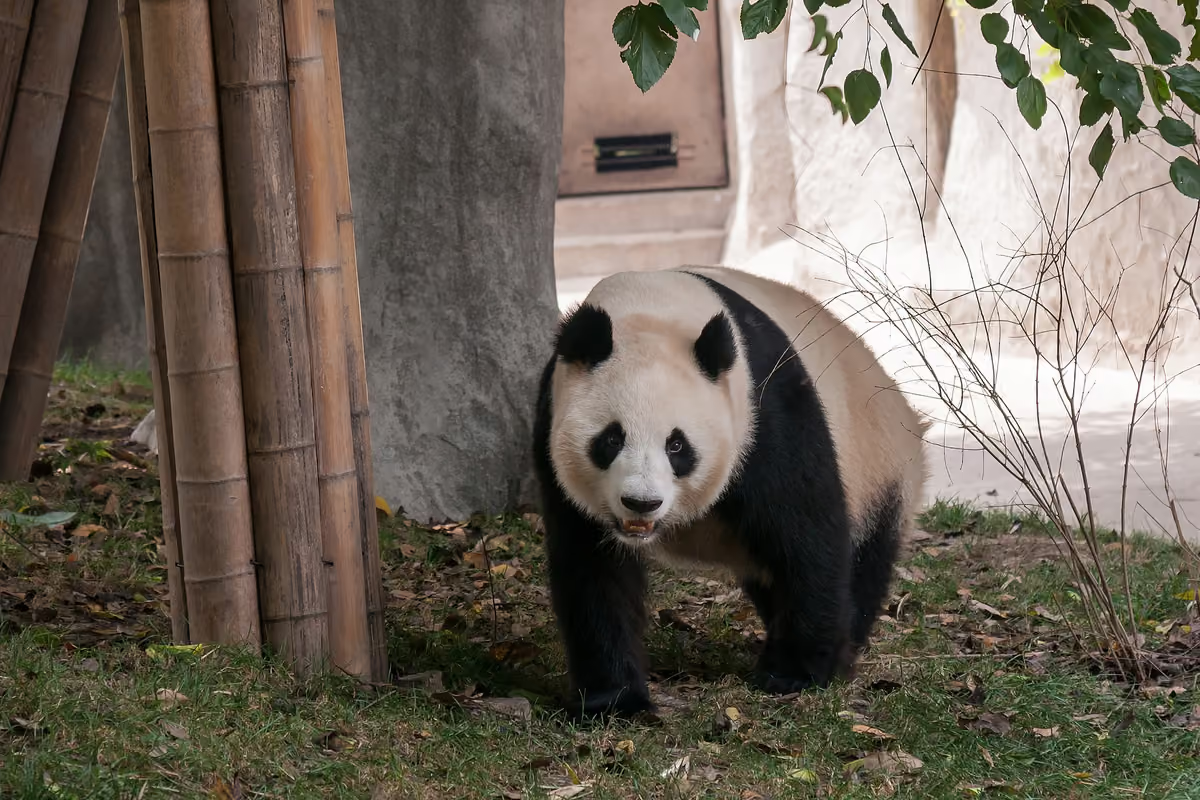
The world's best-known giant panda facility, with dozens of pandas across hillside enclosures and a nursery for cubs. For most visitors it is the reason Chengdu is on the itinerary at all.
The story
What makes this place special
The base was set up in 1987 by the Chengdu city government, starting with six giant pandas rescued from the wild in the Min Mountains. It is a research and captive-breeding institute rather than a zoo, and the breeding programme it pioneered is the reason the species' captive population became self-sustaining at all; by 2008 it had recorded well over a hundred births on site. It also keeps red pandas and runs the education and cub-rearing work that feeds pandas to zoos abroad on loan.
What you’ll discover
From the main (south) gate a wide paved loop climbs gently past a run of walled outdoor enclosures, each with a handful of pandas, bamboo racks and climbing frames, with the sub-adult and cub yards nearest the entrance and the adult yards and nursery further along. The newer northern/western expansion, the Panda Valley area, is a long way up the hill and needs a shuttle buggy if you want to see it. Beyond the enclosures there is a red panda area where the animals roam semi-free along a fenced path, plus a nursery/incubation building and a swan lake that most visitors walk straight past.
A little local insight
Good to know before you go
- Arrival time decides the whole visit. The keepers put bamboo and steamed cornbread out early, and the pandas eat, climb and squabble for the first couple of hours after opening; by roughly 10am to 10.30am most of them are flat on their backs asleep in a tree and barely move until late afternoon. Being there when the gates open, not at 11, is the single thing that changes the day.
- Go to the far enclosures first and work back towards the entrance. Almost everyone turns right and does the first yards in order, so by mid-morning the near enclosures are three deep at the rail while the upper ones are quiet.
- Pandas go indoors when it is hot. Over about 26C they are moved into air-conditioned houses, which means in July and August a late-morning visit can mean looking at pandas through glass, or at an empty yard.
- Buy the shuttle buggy ticket if anyone in the group tires easily, or if you want the western/Panda Valley section. The site is a hillside park and the full south-plus-west circuit is several kilometres of walking.
- The cub nursery is seasonal, not permanent. Births cluster in late summer, so newborns in the incubator windows are realistic from roughly August into autumn and not in spring.
When to come
First thing in the morning, as early as you can get in - the pandas are awake and feeding then and asleep by late morning. Spring and autumn are most comfortable; in midsummer heat the animals are often kept indoors, and winter visits are cold but the pandas are far more active all day.
Getting around
Much better than most Chinese attractions. The main circuit is paved tarmac path with gentle gradients and ramps rather than steps, and a wheelchair can do the southern loop, though the climbs are long and continuous rather than steep. The internal shuttle buggies cover the distance, which is what makes the site manageable with a bad knee - the problem here is distance and uphill, not stairs. Viewing rails are at standing height at many enclosures, so a seated visitor may need to pick spots. Wheelchair loan and the exact buggy boarding arrangements should be confirmed with the base on the day.
Worth knowing before you go
Buy the morning slot and arrive at 07:30. Pandas are fed early and are genuinely active before about 10:00; by midday most are asleep. The newer Panjiagou area at the far end is the quietest.
Book ahead
Make time for the reservation
Tickets open 7 days before the visit, and the sell-out risk is high.
See the full rules on the reservation radarCompare established providers
Check live tours and tickets
Search for Chengdu Research Base of Giant Panda Breeding in Chengdu. Prices, availability, payment and confirmation are handled by the booking provider.
China Travel Select does not take payment or create the reservation. Confirm the exact name, dates, inclusions and cancellation rules on the provider’s page.
Take a closer look
Maps, videos & more
Prices and hours change. These are the places to check on the day.