Discover Hangzhou
Broken Bridge and Bai Causeway
断桥残雪 / 白堤
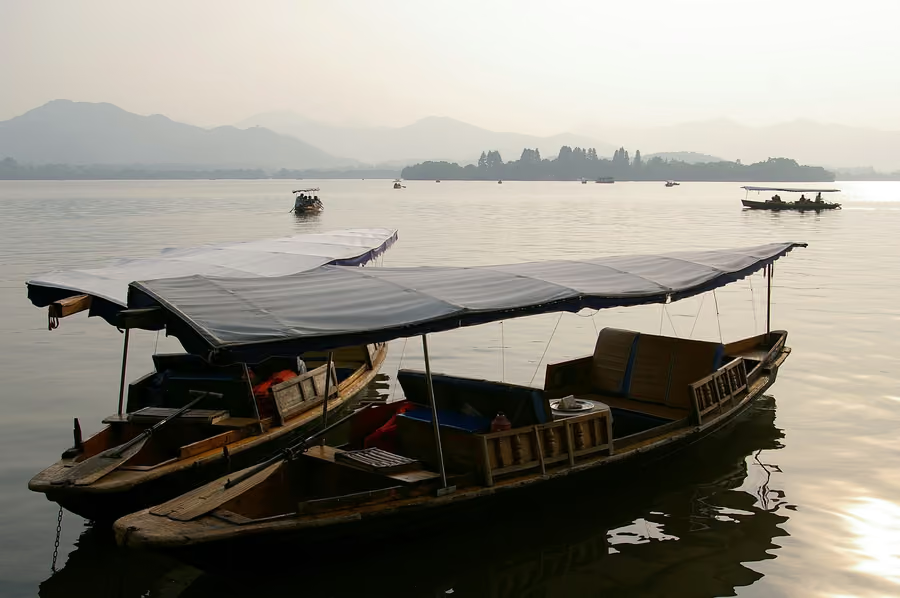
The short northern causeway and its famous Broken Bridge, the setting of the Legend of the White Snake and the most photographed spot on the lake. It links the busy east shore to Gushan island.
The story
What makes this place special
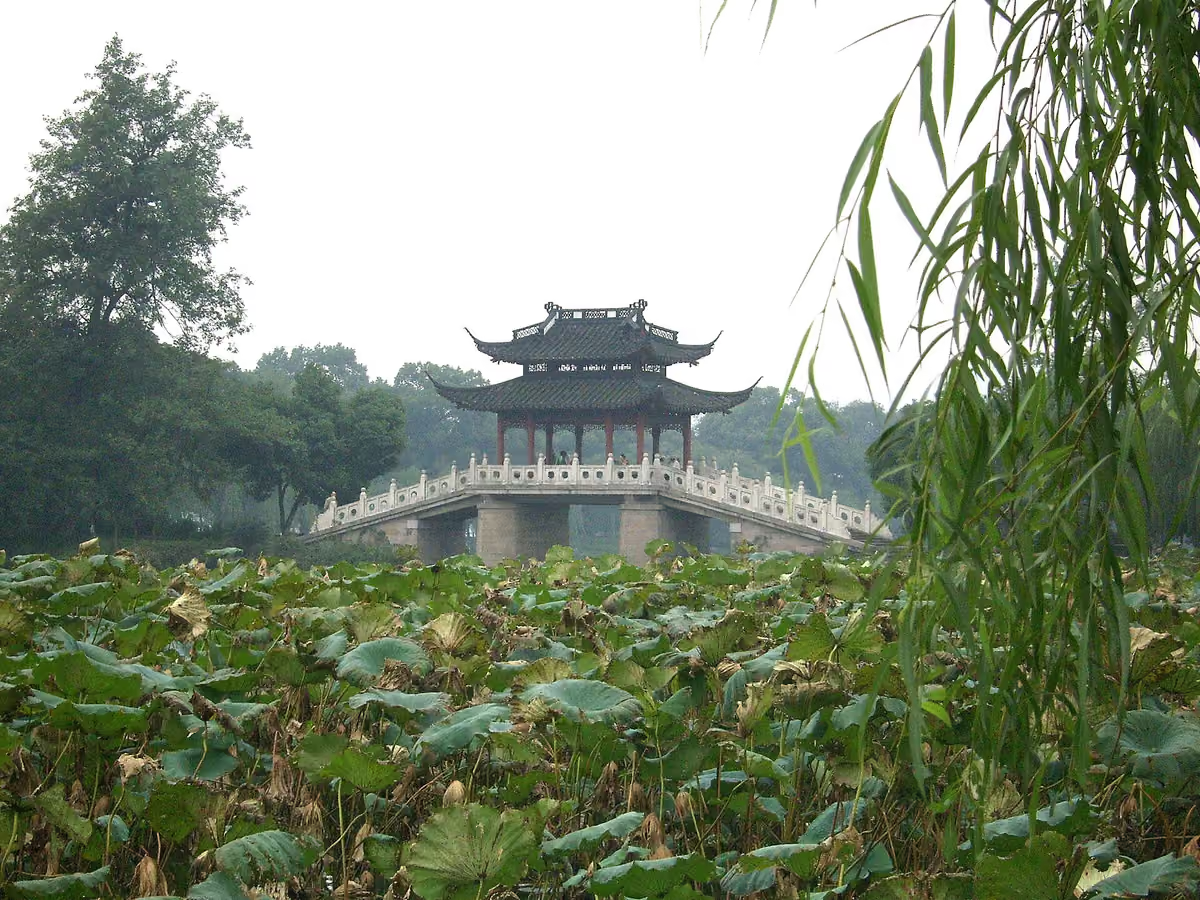
The Bai Causeway predates the Tang dynasty and was reinforced between 766 and 779; Bai Juyi dredged the lake in 822 and built a causeway from the spoil, and the name was later attached to this one, so the causeway tourists walk is not strictly the one he built. It runs from the north-east shore across to Gushan Island. The Broken Bridge at its eastern end is famous twice over: as the Ten Scenes subject 'Lingering Snow on the Broken Bridge', where thawing snow leaves the bridge looking snapped in the middle, and as the place where Xu Xian meets the White Lady in the Legend of the White Snake.
What you’ll discover
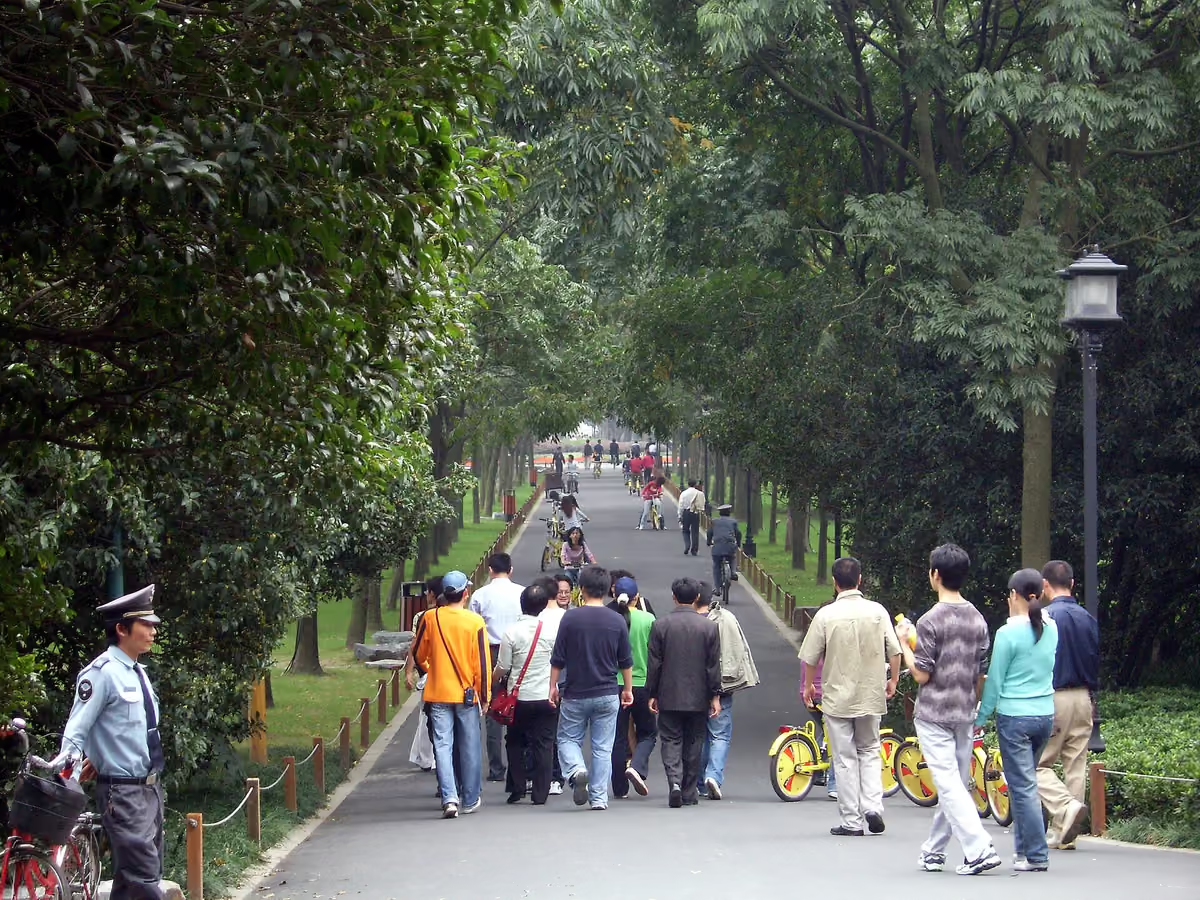
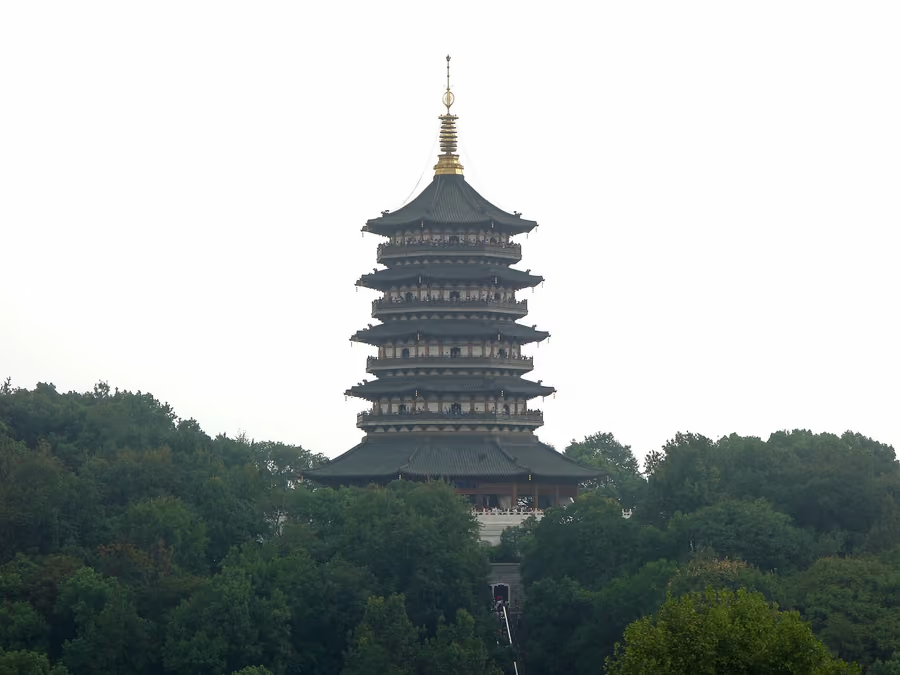
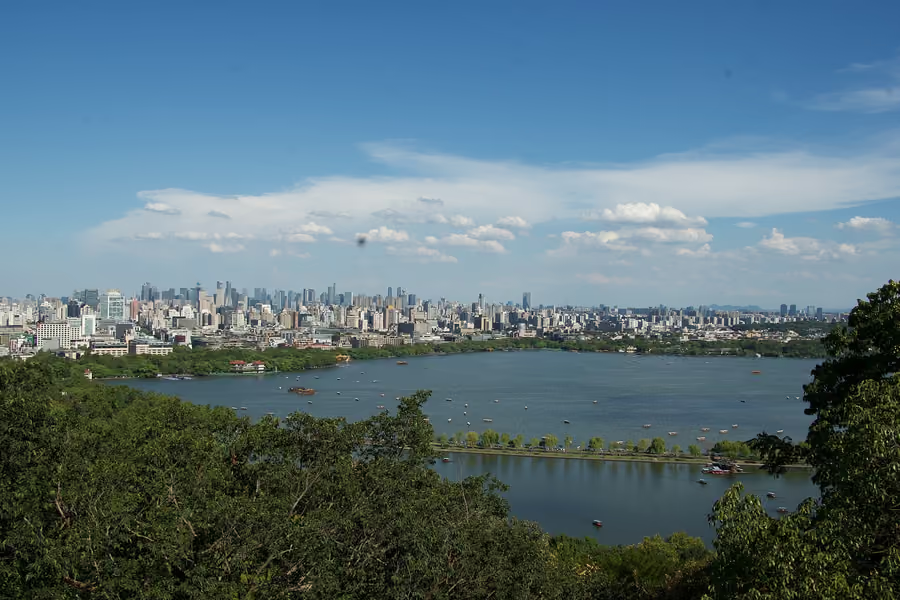
A short causeway - under a kilometre - running from the city shore by Broken Bridge across to Gushan, with the Outer Lake on your right and the smaller Beili Lake on your left, and the Baochu Pagoda on the hill behind you. You cross Broken Bridge, then Brocade Belt Bridge, and arrive at the Pinghu Qiuyue (Autumn Moon on the Calm Lake) terrace at the western end on Gushan. It is the most heavily used stretch of the whole lake because it is the nearest to the city, the shortest, and lined with willows that frame the standard postcard.
A little local insight
Good to know before you go
- This is the busiest few hundred metres in Hangzhou. Tour groups start here at around 9.30am and work west. Be on the bridge by 7am or come back at dusk - at any point in between, in high season, you will be shuffling.
- Use it as the short option. If you only have an hour or two at West Lake, do Bai Causeway and Gushan rather than the Su Causeway - it is a third of the length and ends on an island with the Zhejiang museum, Xiling Seal Society and a tea terrace.
- The bridge is not broken and never was, and visitors are routinely disappointed. The name is about a snow-melt effect; the only time it looks like the scene is after snow, which happens perhaps a few days a year.
- Look behind you. The view from Broken Bridge back up to Baochu Pagoda on Precious Stone Hill is the better photograph than the one everyone takes along the causeway, and the climb up to Baochu from the north shore is twenty minutes and free.
- Lotus fills Beili Lake on the north side in July and August and it is thickest right here, which is the one summer reason to prefer this causeway over Su.
When to come
Dawn, or the half hour after sunset when the lamps come on. The named scene needs snow, so a winter visit after a snowfall is the enthusiast's trip; otherwise July and August for the lotus beds alongside it.
Getting around
Easy. Flat, wide, paved lakeside promenade the whole way with only the shallow humps of the two bridges, and it is short - under a kilometre to Gushan. Fully wheelchair-usable and the single best piece of West Lake for a visitor who cannot walk far. The lakeside electric shuttle serves the shore road at the eastern end. The paths up Gushan itself, beyond the Autumn Moon terrace, become stepped.
Worth knowing before you go
This is the most crowded 200 metres in Hangzhou on any holiday. Come before 7am; the name refers to snow melting unevenly on the bridge, so a winter visit after snowfall is the real pay-off.
Compare established providers
Check live tours and tickets
Search for Broken Bridge and Bai Causeway in Hangzhou. Prices, availability, payment and confirmation are handled by the booking provider.
China Travel Select does not take payment or create the reservation. Confirm the exact name, dates, inclusions and cancellation rules on the provider’s page.
Take a closer look
Maps, videos & more
Prices and hours change. These are the places to check on the day.