Discover Hangzhou
China National Silk Museum
中国丝绸博物馆
The world's largest silk museum, at the foot of Yuhuang Hill, covering 5,000 years of Chinese sericulture with excavated textiles, live looms and a serious fashion gallery. Free, air-conditioned and rarely busy.
The story
What makes this place special
Opened on 26 February 1992 on Yuhuangshan Road near West Lake, and extensively rebuilt in 2015-16. It describes itself as the largest silk museum in the world, covering around 50,000 square metres of grounds with about 8,000 square metres of building, and it is China's main specialist textile museum: since 2010 it has housed the Chinese Center for Textile Identification and Conservation, which does the national work on identifying and stabilising excavated textiles.
What you’ll discover
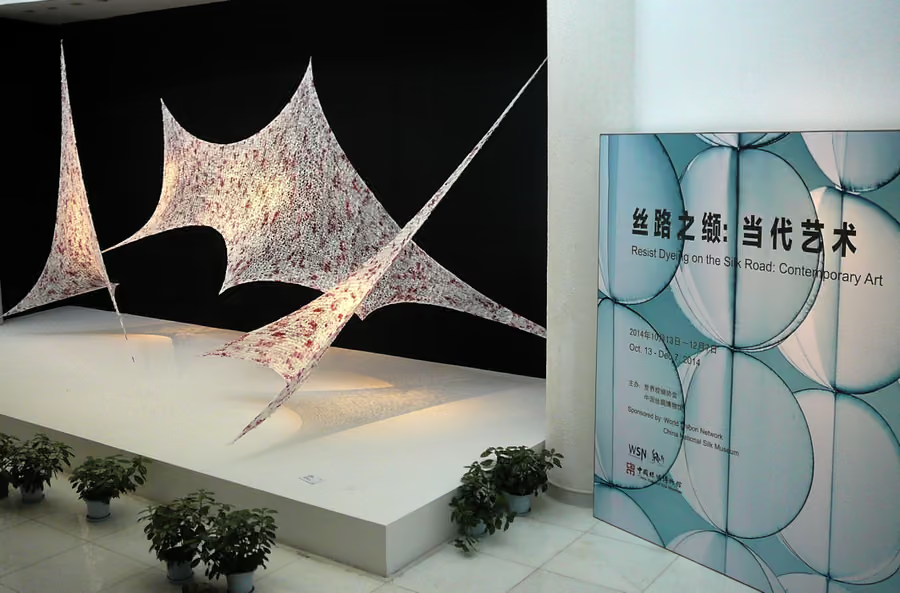
Permanent galleries covering the story of Chinese silk from its archaeology onward, sericulture and the craft of silk making - including working looms and reeling equipment - a textile conservation gallery where the restoration work is on view, and the Xinyou archive centre. Objects run from excavated Silk Road fabrics and Song and Ming tomb costume to nineteenth-century pieces and contemporary silk art. Temporary shows are frequent and often strong, and the museum runs an annual Hanfu costume festival which since 2018 has taken a different dynasty each year.
A little local insight
Good to know before you go
- The conservation gallery is the distinctive thing here and most visitors walk past it. Watching archaeological textiles being stabilised, and seeing how little of a buried fabric survives, changes how you look at the costume displays.
- The working looms are demonstrated rather than static - jacquard draw looms operated by two people - and the demonstrations are timed, so ask at the desk when you arrive.
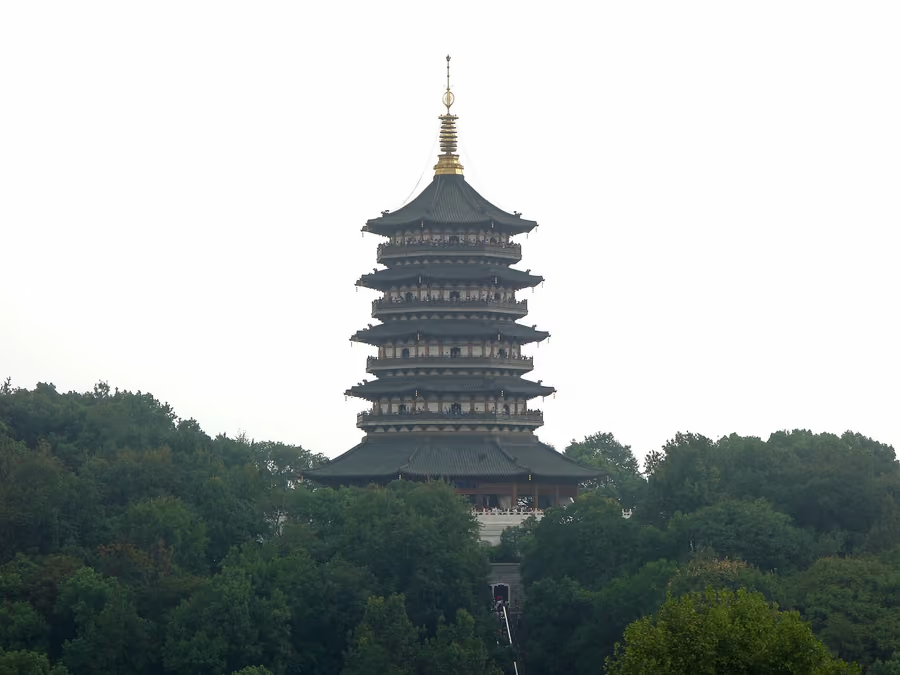
- Free entry, and it is on the hill road between West Lake and the Qiantang river, which makes it a good first or last stop on a day going out to Six Harmonies Pagoda or the tea hills rather than a destination in itself.
- Time your visit to the Hanfu festival if you can - it fills the grounds with people in period dress and is a genuinely unusual spectacle.
- Pair it with the China National Tea Museum in the hills nearby: silk and tea are the two things Hangzhou was historically for, and both museums are free and quiet.
When to come
Any day; it is indoors and a good wet-weather option. Weekday mornings are quietest. Closed Mondays in common with Chinese state museums - check first.
Getting around
Good. A modern museum with lifts, level galleries and ramped access, and the grounds are landscaped with paved paths, though the site is on a hill slope so there are gradients outside. Usable in a wheelchair throughout the galleries.
Worth knowing before you go
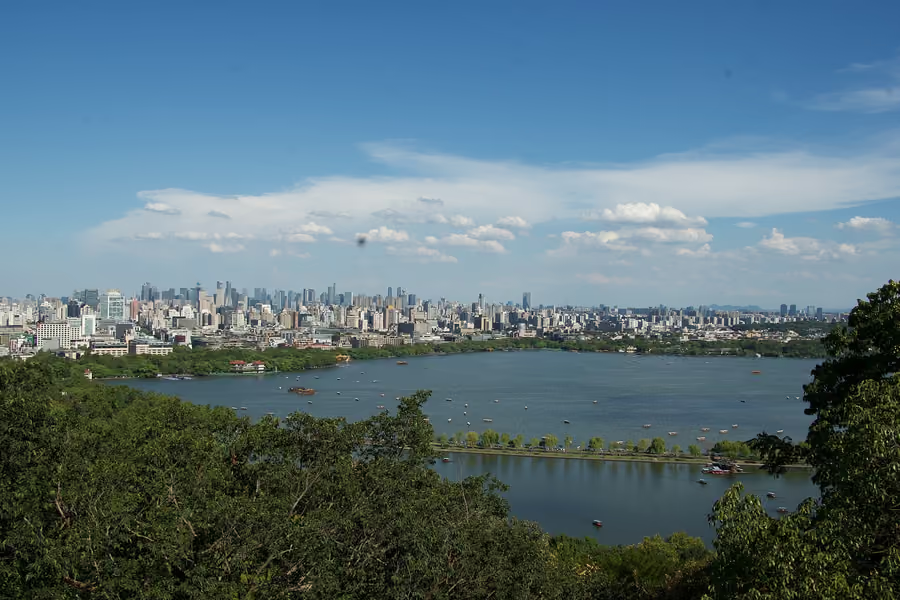
The Monday half-day is a common trap - it shuts at noon. Combine with a walk up Yuhuang Hill behind it for a free view over both West Lake and the Qiantang River.
Compare established providers
Check live tours and tickets
Search for China National Silk Museum in Hangzhou. Prices, availability, payment and confirmation are handled by the booking provider.
China Travel Select does not take payment or create the reservation. Confirm the exact name, dates, inclusions and cancellation rules on the provider’s page.
Take a closer look
Maps, videos & more
Prices and hours change. These are the places to check on the day.