Discover Hangzhou
Six Harmonies Pagoda
六和塔
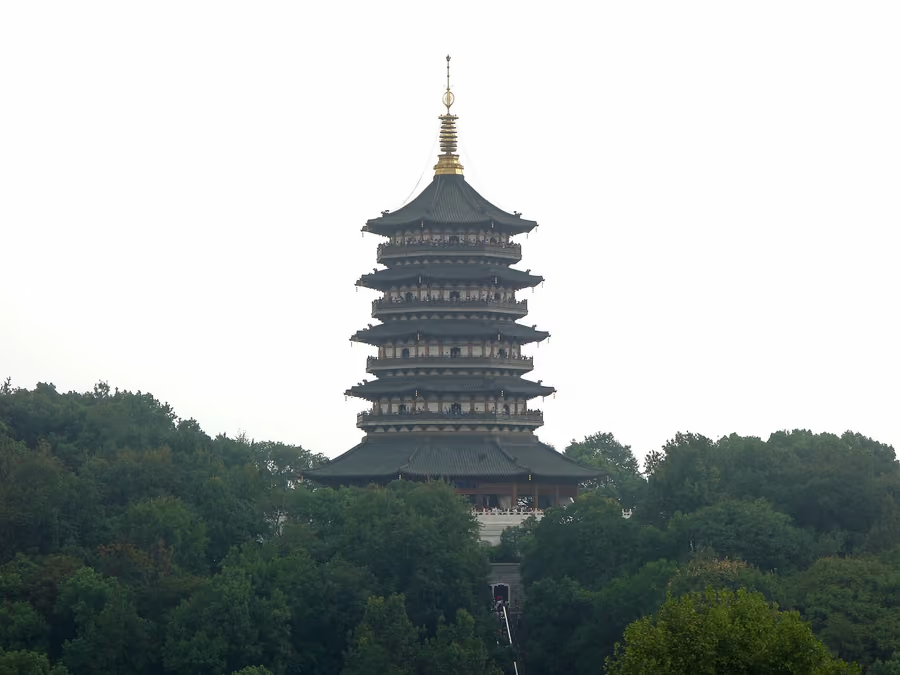
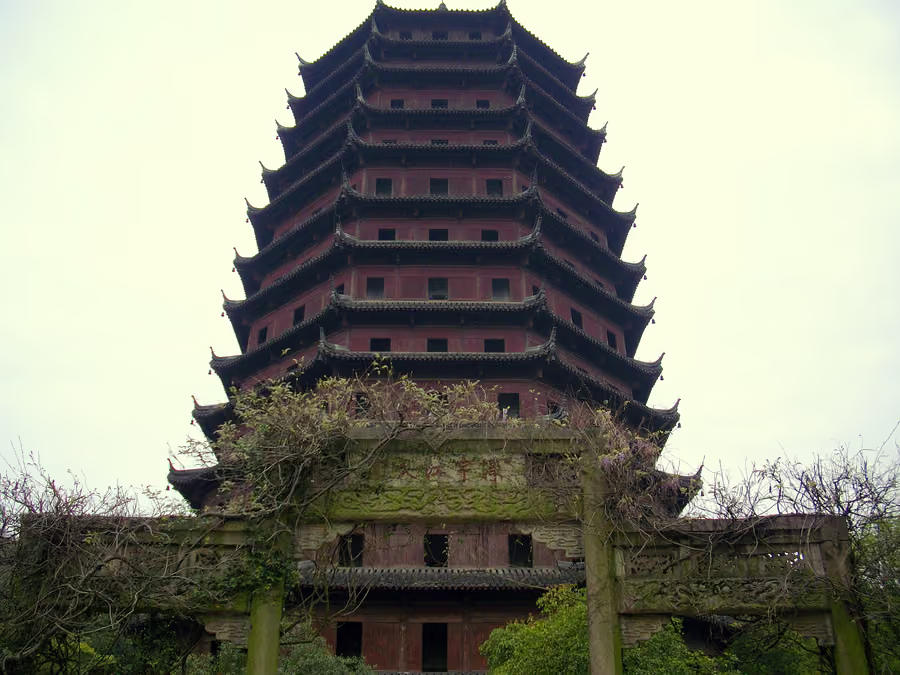
A massive 59 m brick-and-timber pagoda from 970 AD standing above the Qiantang River, built to calm the river's notorious tidal bore. Climbing it gives a view over the river and the 1930s Qiantang River Bridge.
The story
What makes this place special
The Liuhe or Six Harmonies Pagoda was first built in 970 by the Wuyue kingdom, on the bank of the Qiantang River, explicitly to subdue the river's tidal bore - and in practice also as a navigation mark; Joseph Needham described it functioning as a lighthouse guiding boats to night anchorage. It was destroyed in fighting in 1121 and fully rebuilt by 1165 under the Southern Song; the Ming and Qing added the outer eaves. It stands about 59.9 metres, octagonal, and appears to have thirteen storeys from outside while having only seven inside - a deliberate trick of the eaves.
What you’ll discover
A heavy brick-and-timber tower on a wooded hillside above the Qiantang, climbed by an internal spiral stair through seven floors, each with an outer wall, a zigzag corridor, an inner wall and a small chamber, and with carved and painted ceilings of animals, flowers, birds and figures. From the upper galleries you look out over the Qiantang River and the great road-rail bridge rather than over West Lake - this is a river sight, not a lake one. The surrounding hillside park has a collection of model pagodas and a stele gallery.
A little local insight
Good to know before you go
- This is nowhere near West Lake. It is on the Qiantang riverbank several kilometres south of the lake, so do not slot it into a lakeside day - it goes with a trip to the river, or on the way to or from the south of the city.
- The ceilings are the thing to look up at. Each of the seven interior ceilings is carved and painted differently and visitors climbing for the view never notice them.
- The famous connection is the tidal bore. The Qiantang bore is one of the largest in the world and runs upriver around the eighth lunar month, mid-September to early October; if you are in Hangzhou then, the pagoda is the historic bore-watching point and the whole sight makes sense.
- The ticket to the park and the ticket to climb the pagoda are separate, and the climb is the smaller of the two decisions - the hillside park and the pagoda exterior are worthwhile on their own.
- The hill below the pagoda is a steep climb from the road before you even start on the stairs; there is a path with steps, and allowing for that changes how long you need.
When to come
Clear days for the river view, and the autumn tidal bore season if you can time it. Morning for light on the river; the hillside is shaded and pleasant in summer.
Getting around
Poor. Reaching the pagoda means climbing the hillside from the road by steps, and the tower itself is a narrow, steep internal spiral staircase with low headroom, uneven treads and no lift - not usable with a bad knee and impossible in a wheelchair. The lower park paths are partly level. There is an escalator or lift arrangement reported on the hillside at times, which should be checked on the day, but the tower interior has no alternative to the stair.
Worth knowing before you go
The pagoda-climbing fee is separate from the park ticket and is easy to miss at the window. Combine with the nearby Hangzhou Arts and Crafts area or the tidal bore viewing points in late September.
Compare established providers
Check live tours and tickets
Search for Six Harmonies Pagoda in Hangzhou. Prices, availability, payment and confirmation are handled by the booking provider.
China Travel Select does not take payment or create the reservation. Confirm the exact name, dates, inclusions and cancellation rules on the provider’s page.
Take a closer look
Maps, videos & more
Prices and hours change. These are the places to check on the day.