Discover Lhasa
Jokhang Temple
大昭寺
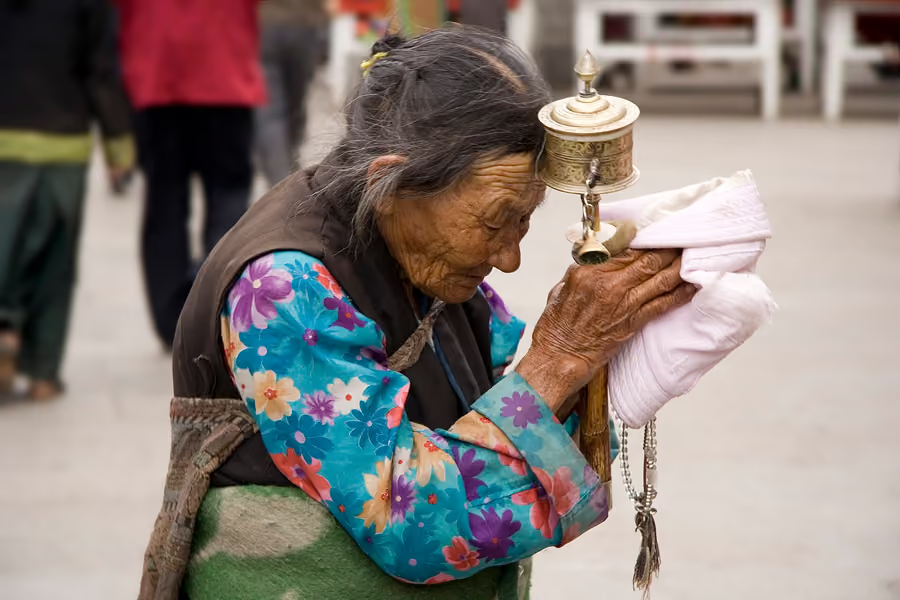
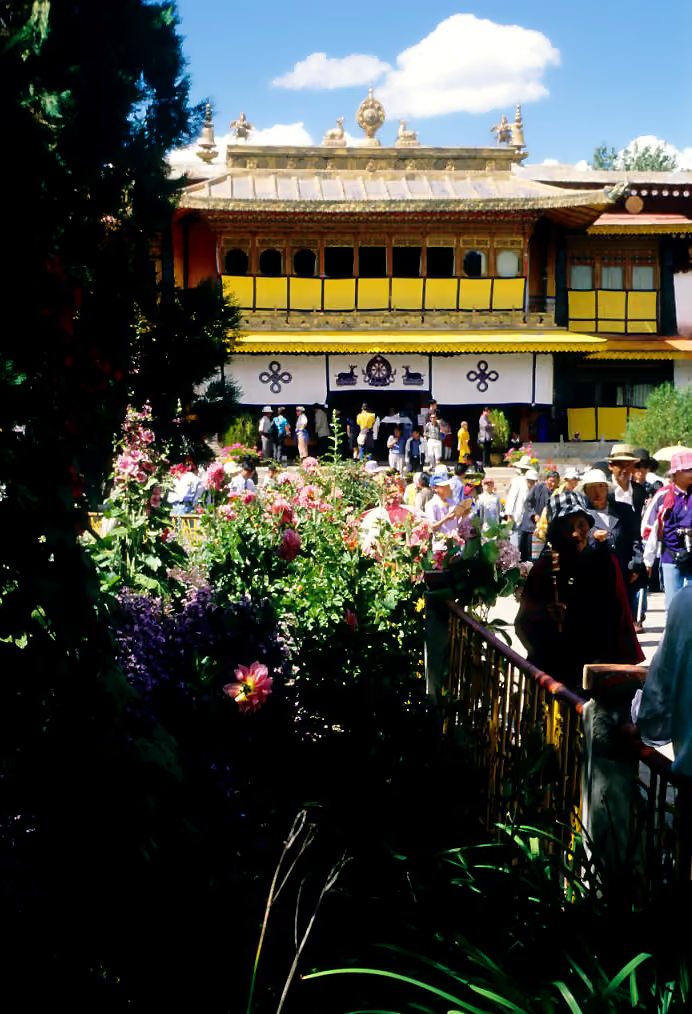
Tibet's holiest temple, founded in the 7th century and built around the Jowo Shakyamuni, the statue that pilgrims cross the plateau to see. Prostrating pilgrims cover the flagstones outside from before dawn.
The story
What makes this place special
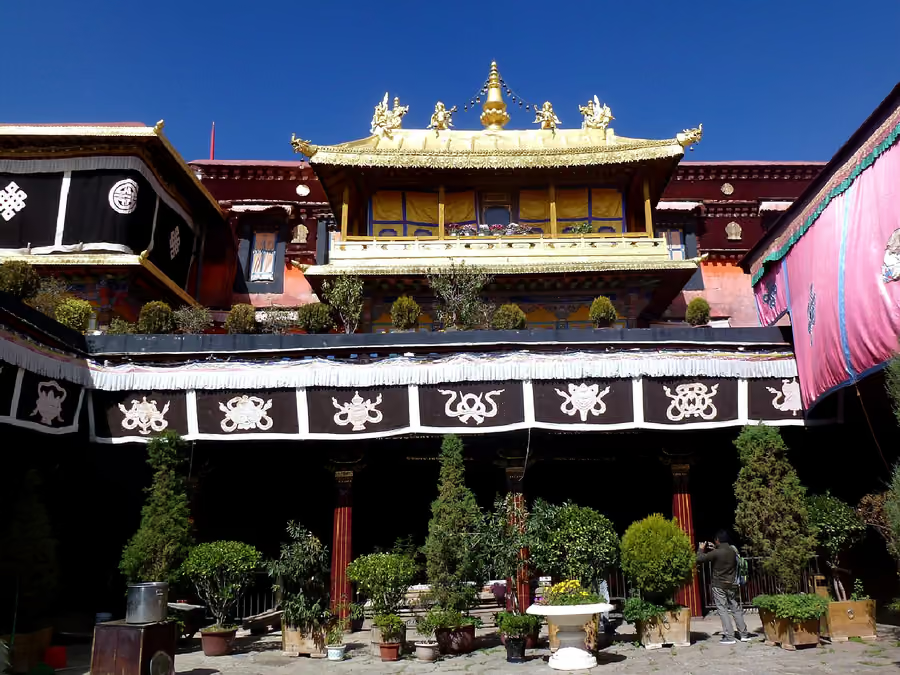
The Jokhang is the oldest and most venerated temple in Tibet, founded by Songtsen Gampo in the seventh century; the lead dates construction to around 640 and the oldest surviving part to 652. It houses the Jowo Shakyamuni, an image of the Buddha at twelve years old, brought to Lhasa by the Tang princess Wencheng, which is the single most revered object in Tibetan Buddhism. The building mixes Tibetan with Chinese, Indian vihara and Nepalese forms, faces west towards Nepal, and retains original wooden beams and Newari door frames from the seventh and eighth centuries. It was added to the World Heritage listing in 2000 as an extension of the Potala ensemble. A fire broke out on 17 February 2018 and burned into the evening; the temple closed briefly and reopened the following day.
What you’ll discover
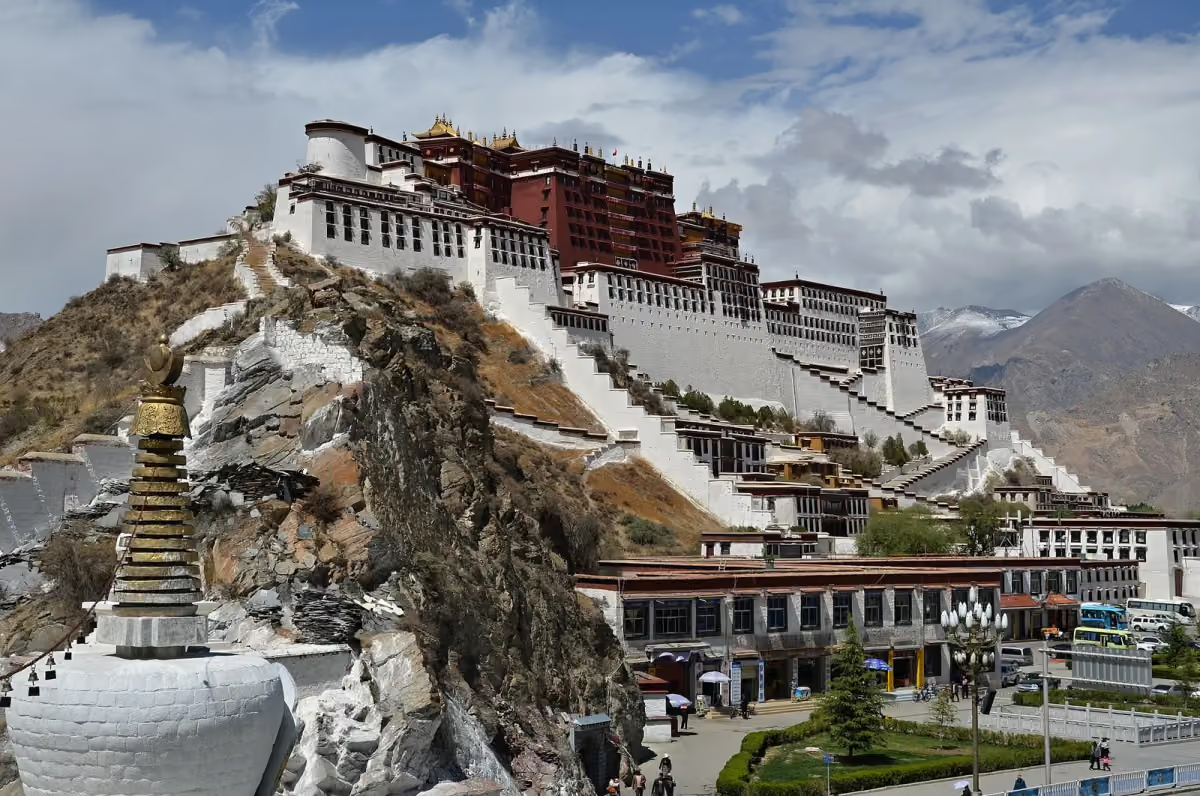
From Barkhor Square you pass rows of pilgrims prostrating full-length on the flagstones in front of the gate, then enter a courtyard and a dim four-storey hall ringed with chapels, every surface black with centuries of butter-lamp soot. The route takes you clockwise past the chapels to the Jowo Shakyamuni in its shrine, where pilgrims press forward to touch their foreheads to the base and lay white scarves. Stairs lead up to a gilded roof terrace with the Potala visible across the old city.
A little local insight
Good to know before you go
- Come at opening, which in practice means before about 09:00, because mornings are reserved in effect for pilgrims and that is when the temple is what it actually is. Afternoons are for tour groups, and the difference is total.
- Walk clockwise and keep walking. The flow around the inner circuit is one-way and dense, and standing still in front of the Jowo blocks hundreds of people behind you.
- Go up to the roof. Most visitors leave from the ground floor and miss both the gilded roofs up close and the only free view of the Potala from the old city.
- Photography inside the chapels is prohibited and enforced; the courtyard and the roof are fine. Do not photograph prostrating pilgrims at close range without asking.
- Expect a security check with bag screening at the entrance to Barkhor Square as well as at the temple. Carry your passport; it is checked.
- The Jowo chapel is the one thing in Lhasa worth queuing for, and the queue is longest around midday and on Tibetan holy days. Ask your guide which days of the Tibetan calendar fall during your stay.
When to come
First thing in the morning, with the pilgrims, for both the atmosphere and the light into the courtyard. April to October is comfortable; the Tibetan New Year and Saga Dawa bring enormous pilgrim numbers, which is spectacular and very slow.
Getting around
Poor. The entrance is up steps from the square, the chapels are entered over high raised sills with changes of level between them, the circuit is narrow and crowded, and the roof is reached by steep wooden stairs with no alternative. A wheelchair cannot realistically do the inner circuit. A bad knee can manage the ground floor slowly if the crowd allows, but should skip the roof stairs.
Worth knowing before you go
Go up to the golden roof terrace for the view across Barkhor Square to the Potala, and keep right as you move through the chapels — you follow the pilgrim flow clockwise, never against it.
Compare established providers
Check live tours and tickets
Search for Jokhang Temple in Lhasa. Prices, availability, payment and confirmation are handled by the booking provider.
China Travel Select does not take payment or create the reservation. Confirm the exact name, dates, inclusions and cancellation rules on the provider’s page.
Take a closer look
Maps, videos & more
Prices and hours change. These are the places to check on the day.